Adelaide leads median house price growth for Australian capital cities in 2025
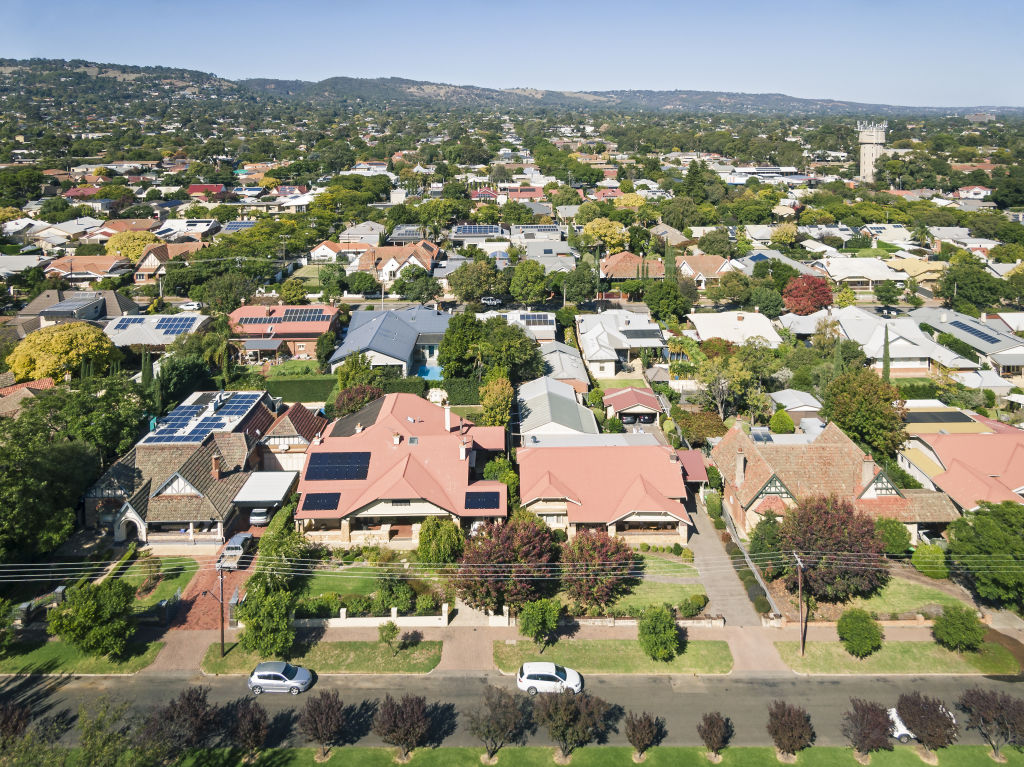
It was this year’s star performer for capital growth, but does Adelaide still hold promise for residential investors, or has it run out of puff?
Recording the strongest annual median house price rise of all the capital cities at 10.5 per cent, according to the latest Domain House Price Report, and the second biggest jump in unit prices at 14.8 per cent, lagging only behind Perth, it’s proved a phenomenal player.
Adelaide has even been named in this year’s Demographia International Housing Affordability Report as the second-least affordable city in the country behind Sydney – in income versus price terms – and, stunningly, the sixth globally.
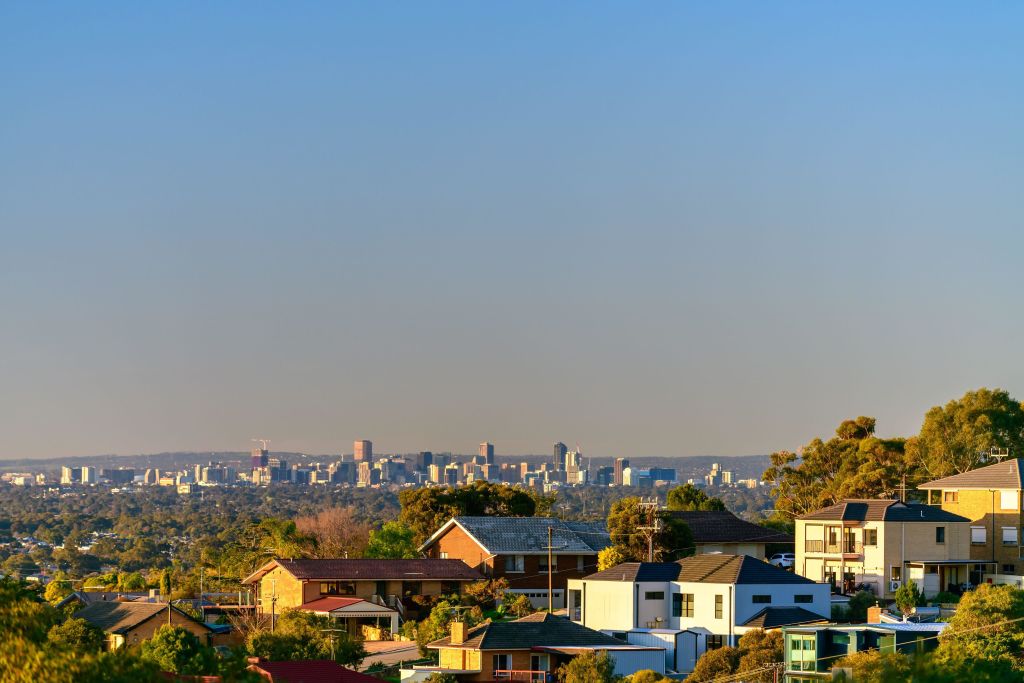
“Before COVID, the economy was pretty sluggish for years, and young people always used to leave to make their fortune in Sydney, Melbourne or overseas, which was a real problem,” says Chris Leishman, professor of property and housing economics at the University of South Australia.
“But since then, there’s been investment in defence, space exploration, technology, the hydrogen economy, the Royal Adelaide Hospital, a new hospital in Mount Barker and AUKUS investment. So Adelaide has become quite a different prospect, with a much stronger economy.”
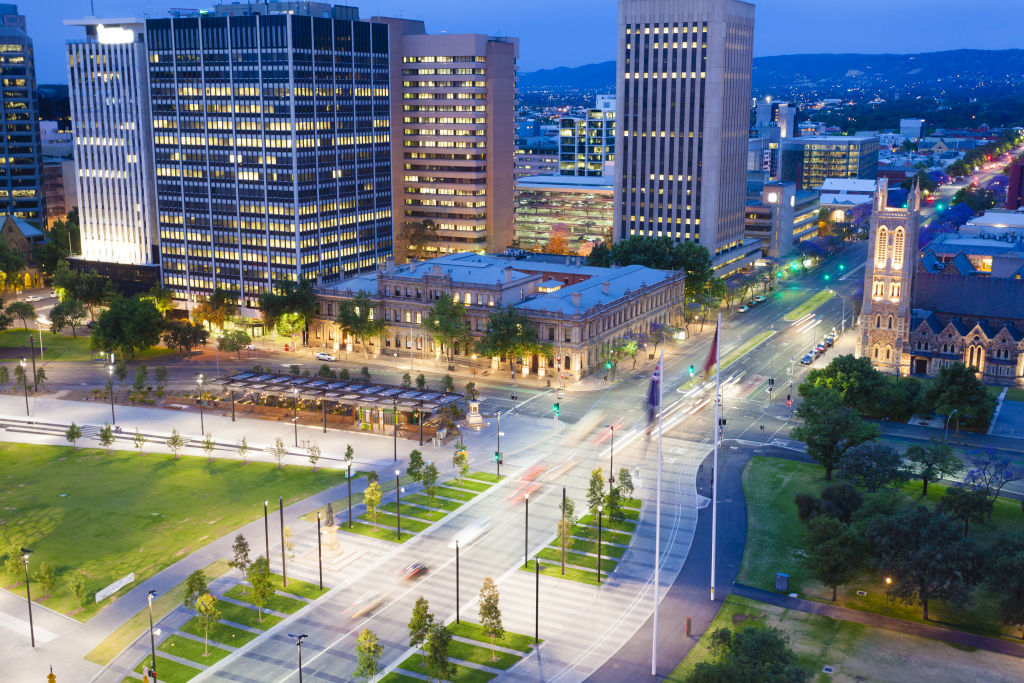
As one of our most affordable cities traditionally, Adelaide has been attracting investors who prefer it over lower-cost Melbourne with its rejigged property taxes.
One of them has been investment specialist Ben Plohl of BFP Property Group, who bought a property there earlier this year.
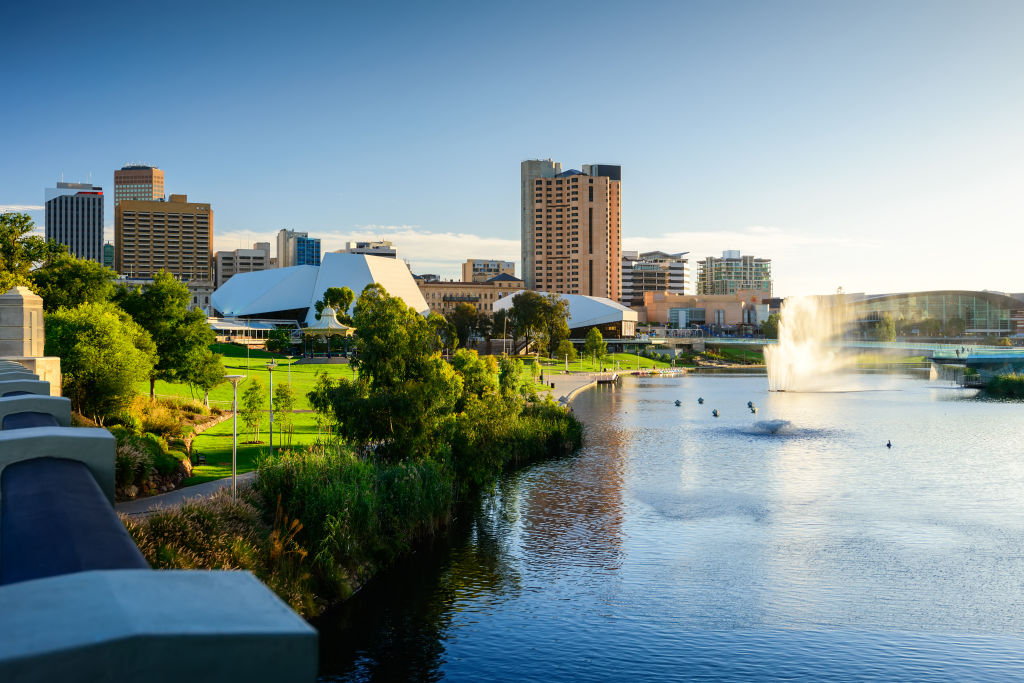
“It’s been performing strongly for the last three years, so there’s probably an argument that I bought it at the pointy end of the cycle,” he says. “But it is continuing to grow, albeit more slowly.


“The economy has diversified, and it is attracting people for its lifestyle and relative affordability, so I think it will revert to more modest growth. There’s still good buying on the coast, going down to places like Hallett Cove and Christies Beach, around Onkaparinga and Marion.”
However, Melbourne and Geelong are still good alternatives, Plohl believes, with pockets likely to have good growth, although tight yields mean holding the assets could prove challenging.
The Domain Forecast Report 2026 certainly seems to back him. It predicts that Adelaide could have the lowest house price growth of all the capital cities next year, at 4 per cent, compared to Sydney’s 7 per cent, Melbourne’s 6 per cent and 5 per cent each for Brisbane, Perth and Canberra.
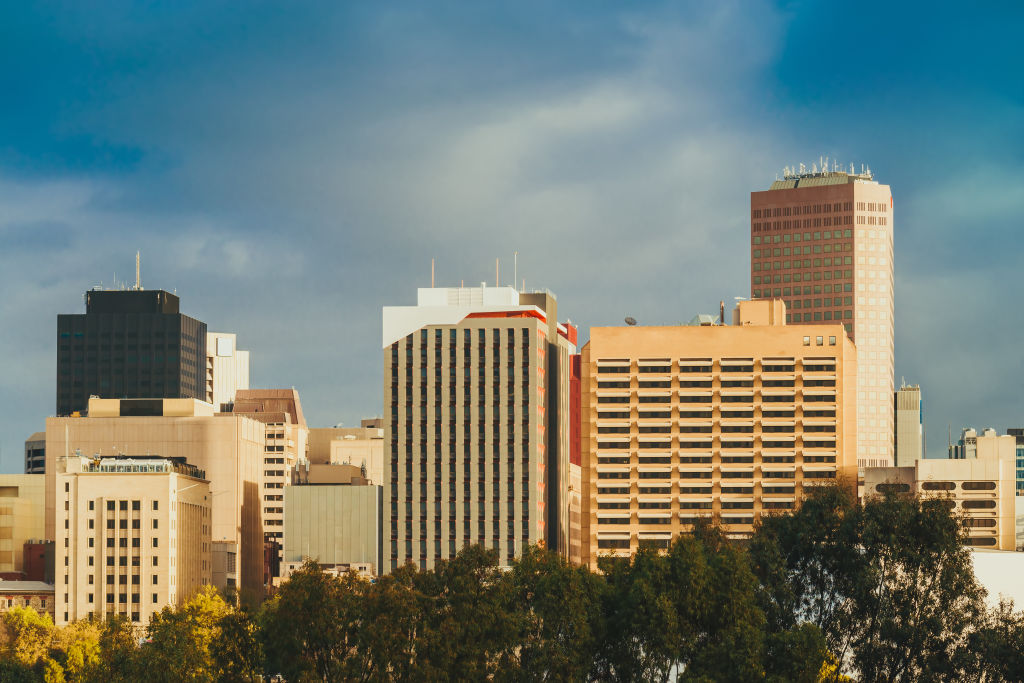
National property analyst Terry Ryder, owner of hotspotting.com.au, is a fan of Adelaide for its five years of strong growth, when, he says, property values generally doubled and rental yields reached 7 per cent.
While both rates are diminishing, he believes it will still attract some growth, but it’s definitely past its peak.
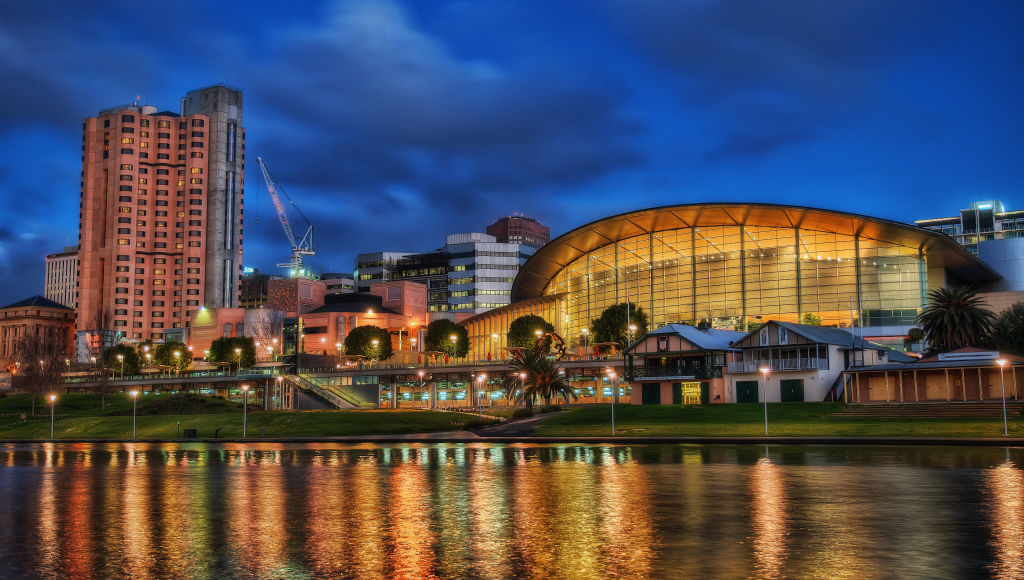
“Investors want to invest early in a city’s growth cycle, and I think there’s clear evidence now that Melbourne is at a stage of growth and has plenty of potential,” Ryder says. “Also, Hobart is relatively affordable and starting to move into a growth phase again.
“I think both those cities are less expensive and offer better opportunities.”
We recommend





States
Capital Cities
Capital Cities - Rentals
Popular Areas
Allhomes
More
