Reality check: The first-home buyer's crash course in landing a home in 2026
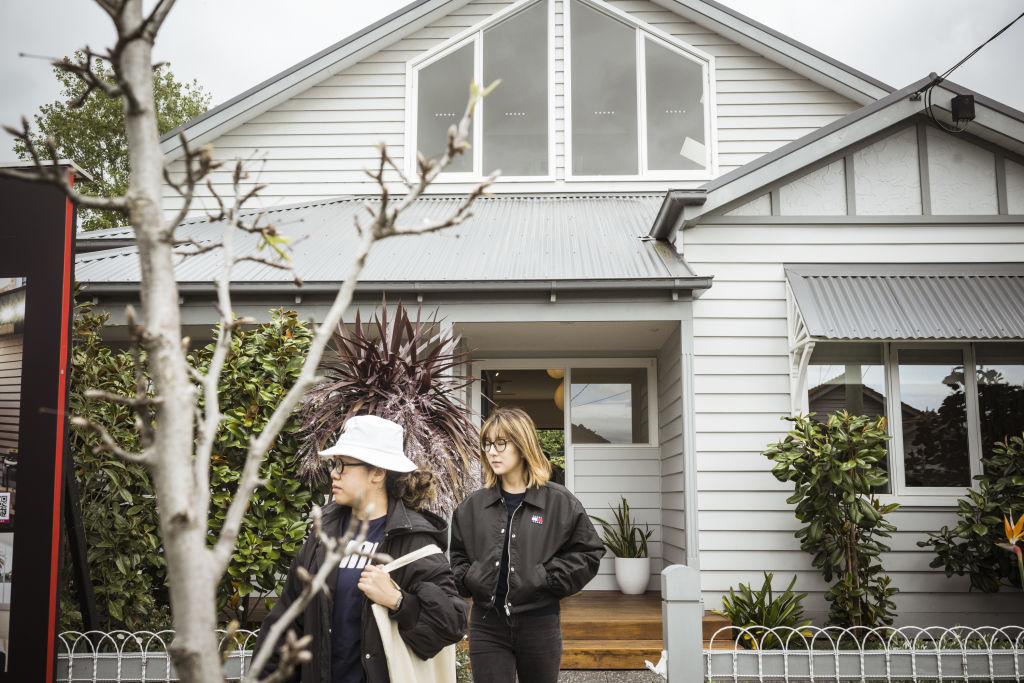
The lot of a first-home buyer is not easy, especially in 2026.
With the release of the latest Domain House Price Report, here’s what the latest data says about the state of the market, and what it means for home buyers looking to climb that first rung on the property ladder.
The state of the market in 2026: Where we are now

Demand for units rises in capitals where median house prices are highest
Looking at quarterly median price growth, units in some cities have outperformed houses, suggesting more buyers are seeking the relative value units offer.
Price growth for Brisbane units has surged to its strongest pace since 2007, while average prices for Melbourne units have risen at their fastest rate in six years.
Sydney’s competitive market has also led units to outpace houses in quarterly median price growth; Darwin has followed this trend as well.
House prices continued to climb steadily in all of these cities – but only Adelaide, Canberra, Perth and Hobart saw greater quarterly price growth for houses in comparison to units.
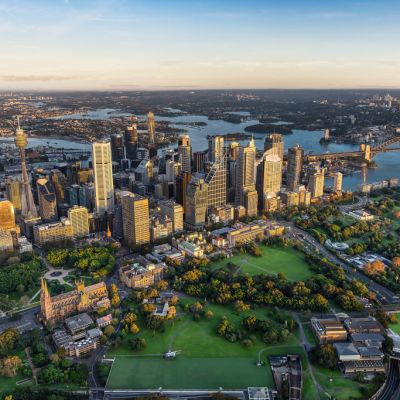


Nicola Powell, Domain’s head of research and economics, says this makes the market challenging for first-home buyers who often compete with investors for the same stock.
“When you look at first-home buyers and investors, they go for similar-priced properties,” she says. “First-home buyers find it hard to compete against investors, who often have deeper pockets.”
Downsizers are also driving demand for units, as many seek to rightsize and release equity.
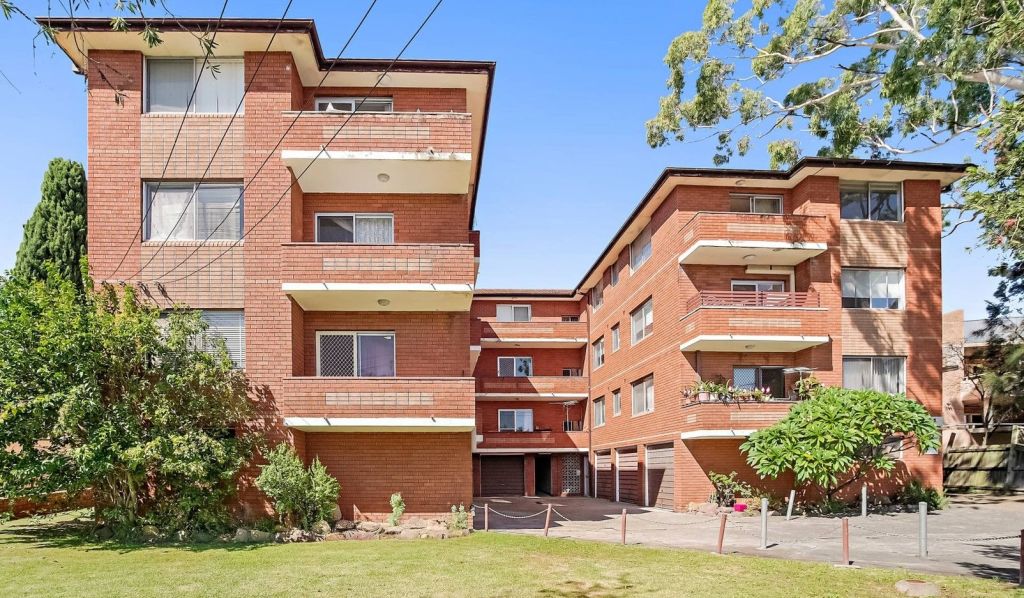
A flatter house price hierarchy between capital cities
The national median house price is now $1.3 million, with Sydney and Brisbane topping the list for the most expensive cities.
In Sydney, the median house price reached a record $1.76 million, while Brisbane now has a record median house price of $1.17 million.
Though these cities have had skyrocketing median house prices for some time, Powell says the lack of hierarchy among states’ housing prices is relatively new.
“Price hierarchy has changed across our different capital cities, because when you think back to 2019, Perth was 42 per cent cheaper than Melbourne,” she says.
“In today’s market, only 2 per cent separates them. So, that is a dramatic change in affordability across our different capital cities, but also a very dramatic change in affordability for Perth residents.”
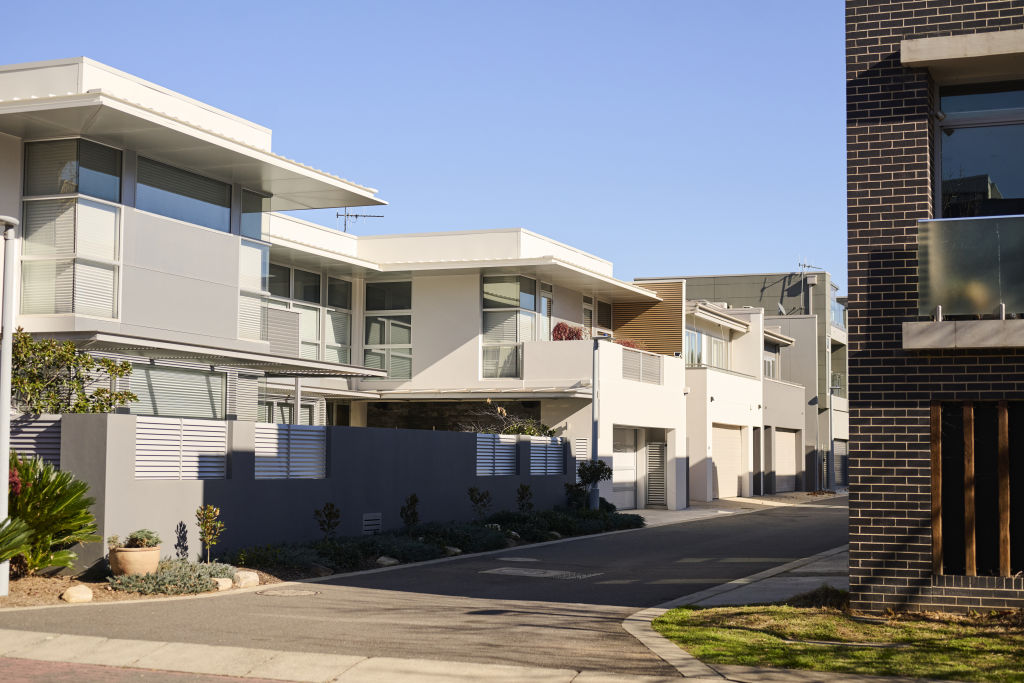
Looking back on 2025 and what it means for the year to come
What was the impact of the 5% deposit scheme?
Powell says the expansion of the government’s 5% Deposit Scheme has had a noticeable effect, creating “another demand wave”.
The scheme has lifted first-time buyer activity and interest: Powell expects there will be a cohort of first-home buyers who thought their purchase was a long way away, but now they’re eligible. “It’s fast tracked their decisions.”
She says that while the 5% Deposit Scheme has driven direct demand, the mere announcement of these plans had a noticeable impact on the market.

“I really believe we saw a cohort of investors trying to purchase before the wave of first-home buyers came in,” Powell says.
“You’ve got the expansion of the scheme coming at a time where we’ve got price momentum in our housing market. It doesn’t really create ideal conditions for first-home buyers.”
Powell says Australia has a “long history” of policies that amplify demand without supporting supply.
“I think it’s very important that we address this and provide greater choice through diverse supply, more medium-density housing, and a greater mix of housing in some of our inner suburbs,” she says.
Multiple interest rate reductions with hikes expected in 2026
The Reserve Bank of Australia cut the cash rate three times in 2025, leading to an uptick in buyer confidence and median property prices.
“This is why we’re seeing quite strong performance in the December quarter [of 2025],” Powell explains. “But the cash rate is one of many dynamics that fuel price cycles.”
“Last year, lower rates helped serviceability and borrowing capacity … but on the flip side of that, we saw prices build and gain momentum, which means that saving for a deposit is pushed further and further away.”
3 tips for buyers looking to land a home in 2026
1. Be realistic about budget and mortgage serviceability
Schemes and incentives in place for first-home buyers will bring more buyers into the market in 2026, but Powell suggests considering your ability to service a mortgage over time, factoring in rate rises.
“With the prospect of two rate hikes, the outlook can change quite rapidly,” she says. “Set price limits and keep to them … I think FOMO is a dangerous dynamic for first-home buyers where you can over commit.”
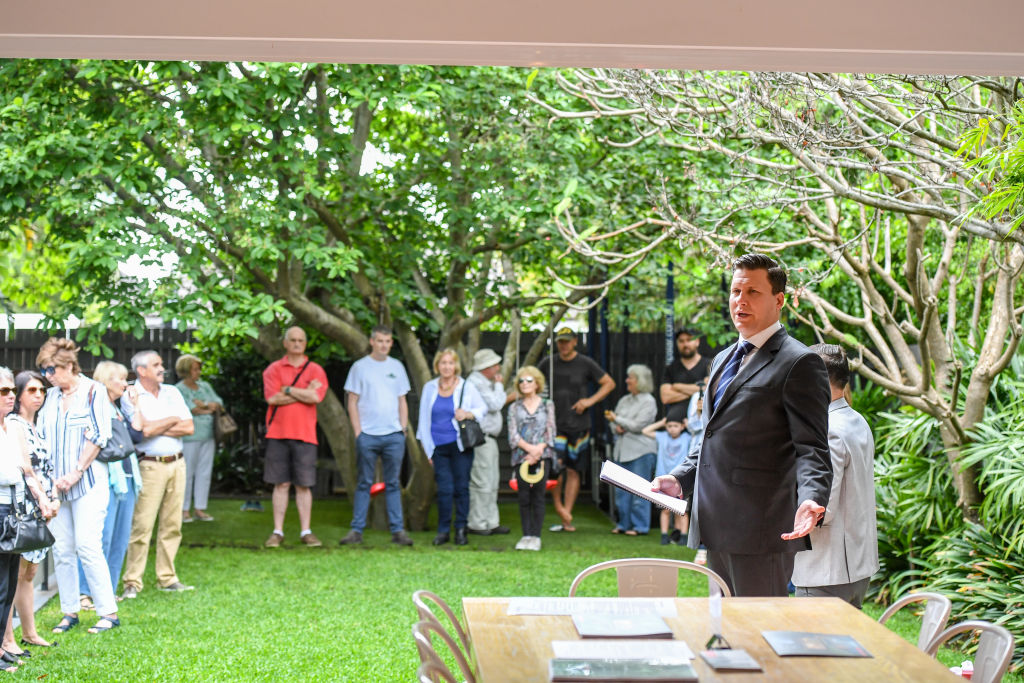
Powell describes first-home ownership as the most challenging and poignant stage of the property journey, as it often comes with higher debt and lower equity.
“That means you’re very sensitive to anything that changes economically. That’s where buffers are important.”
2. Focus on the unchangeable aspects of the home
In 2026, when the strongest competition is at the entry-level price point, Powell says first-home buyers should move away from pursuing their idea of the perfect home.
“You’ve really got to prioritise location, the land component if you’re going for a house, but also the layout. They’re things that are hard for you to change.
“Forget the cosmetic and build that in later,” she says.
3. Do a practice run
Emotion is a powerful dynamic in the Australian housing market: auctions are the epitome of this sentiment.
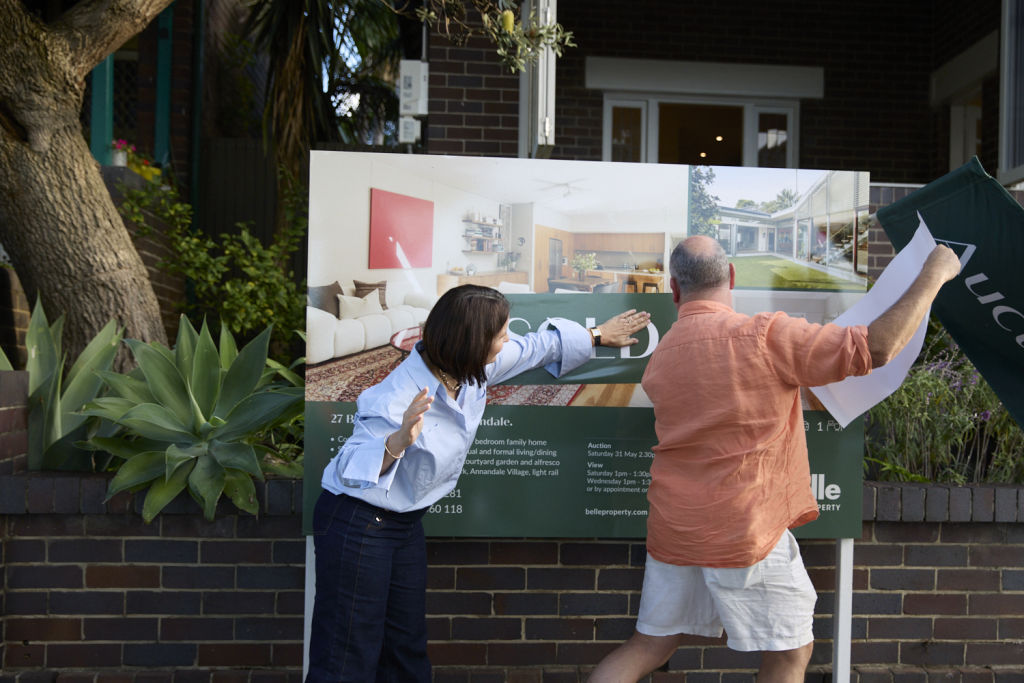
“An auction is a really intimidating environment, particularly if you’ve never been to one before,” Powell says.
“Experience that environment and attend as many open homes and auctions as you can – ones you’re not interested in – just so you can learn the tips and tricks of the industry.
“I do think an auction can be a bit of a psychological game. It’s about experiencing that emotional training ground.”
States
Capital Cities
Capital Cities - Rentals
Popular Areas
Allhomes
More
- © 2026, CoStar Group Inc.
