The 5 red flags to look out for in your garden
There’s a lot to consider when inspecting a home – from cracks in the wall, to wardrobe space, natural light and traffic noise.
But there’s one major area house hunters commonly neglect to scrutinise: the garden.
“I actually think people forget about the garden all the time,” says Ben Hayman, who is a garden designer and garden retailer Hoselink’s residential horticulturalist.
“When they buy a house, when they build a house, when they rent a house, I think the garden is always the last thing they think of.”
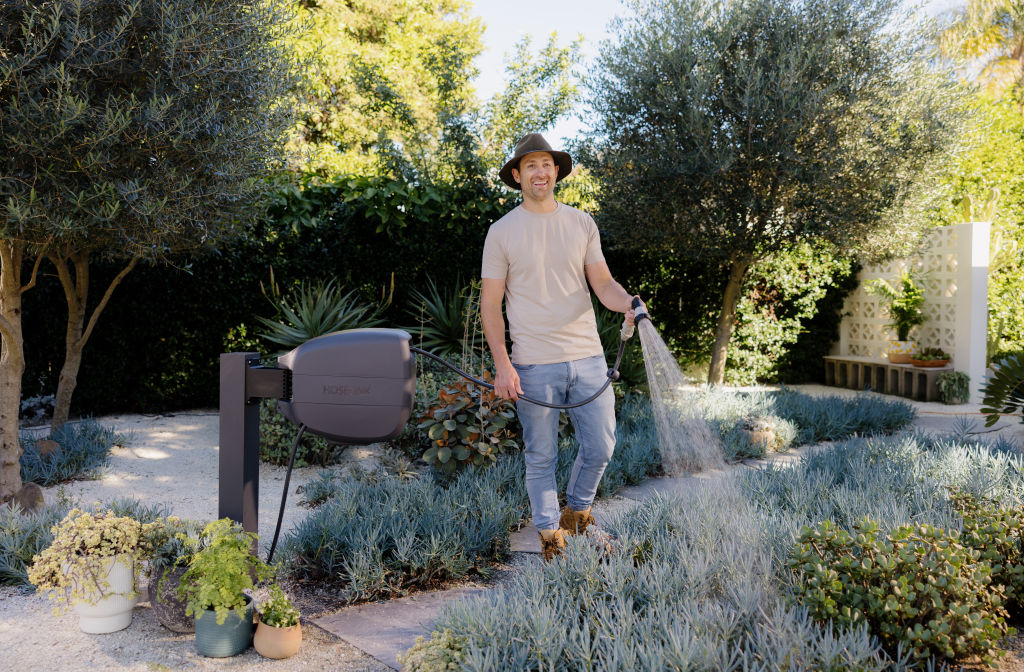
However, ignore the garden at your peril, warn experts.
Here are some key red and green flags to watch for at your next open-for-inspection.
Garden red flags
Quick fixes
A colourful garden doesn’t always equal a healthy one, says Hayman.

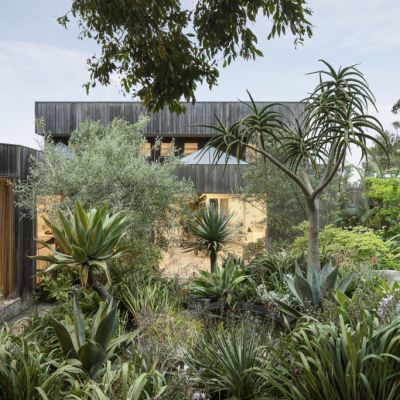
“You can tell when people do a quick fix. They go to Bunnings or whatever, and they get potted colour, and they just plonk it in here and there, just to try and trick it up,” he says.
“But when you’ve got established plants, they’re healthy, their foliage is vibrant, you can tell it’s not just a quick fix.”
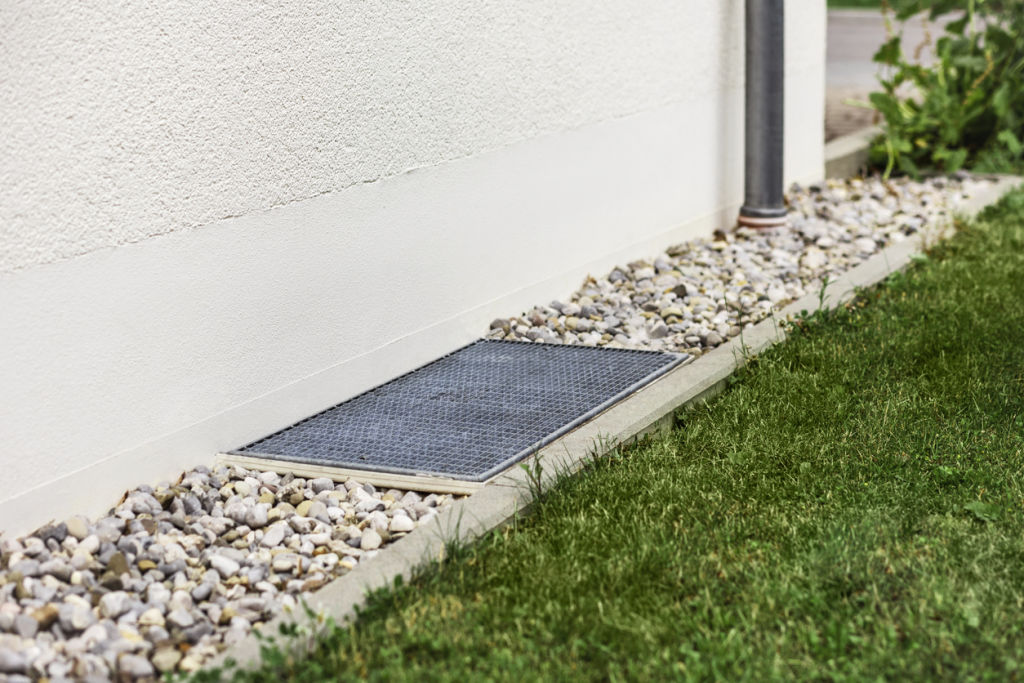
Poor drainage
Hayman says this can be one of the biggest red flags out there and can be very expensive and difficult to fix.
He notes it’s not just your own drainage you need to worry about, but potentially your neighbours’ too.
So, what are the risks?
“You might have rotting of posts [leading to] fence replacements, nothing ever growing there, lawn not growing, all those things,” says Hayman.
If you’re not confident in assessing the drainage yourself, Hayman suggests hiring a landscaper to lend an expert eye.
Troublesome tree roots
There are no laws about where a home owner can plant a tree in their own yard, says Hayman.
“People can put a massive tree right next to their house, and then it looks great for them for the 10 years they’re there, but then they move on, and 10 years later, it’s an absolute nightmare.”
He says trees planted in the wrong spot can suck all the nutrients out of the soil and garden beds, and even crack pipes.
So, make sure large trees aren’t too close to the house or fence line.
Too much concrete
Shane Kingsbury, a garden designer and landscape architect with Inspired Exteriors, says if you spot a house with a concrete backyard or front yard, think twice.
“That is a huge expense to rip up … and that’s even before you start anything,” he says.
“Demolition is going to cost a lot.”
Sloping blocks
Kingsbury says many people think their block is flat, but it’s often not the case.
So, when home owners engage a landscape designer, they can be shocked at the cost of creating a usable, level outdoor space.
“You’re going to be doing a lot of retaining walls, and retaining walls cost a lot of money,” he says.
Garden green flags
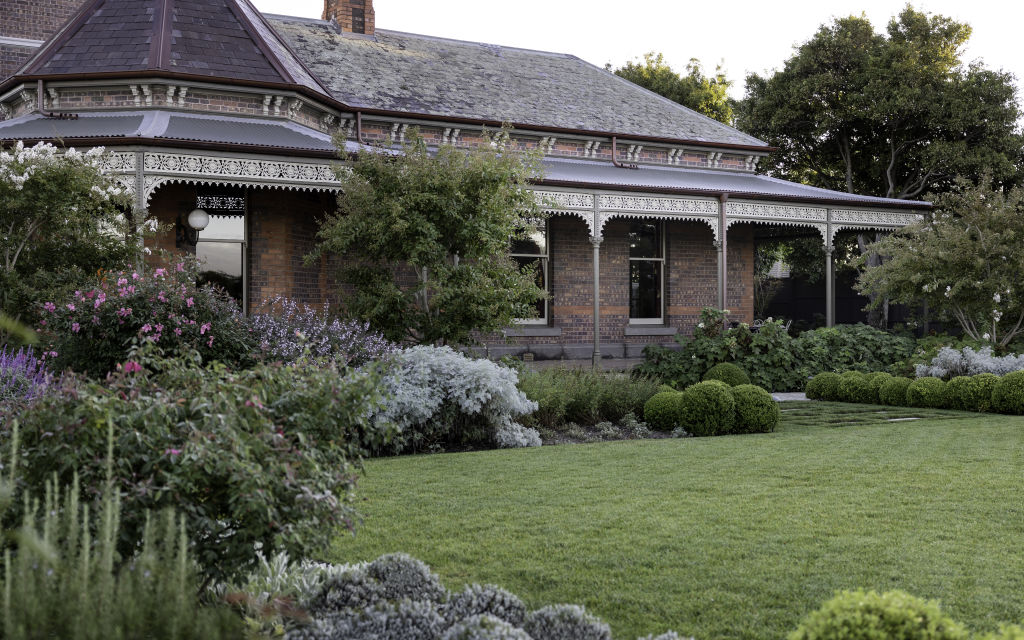
A well-cared-for garden
If the vendors have cared for their garden, for example, by putting down mulch or installing watering systems, that’s a great sign, says Hayman.
“If they’ve got mulch on their garden, they obviously care about their soil health, weed prevention, plant health.”
And if the owners look after their garden, Hayman reckons it usually translates to how they maintain the inside of their home too.
Healthy soil
How to tell if the soil is great for growing?
“Plant health is the first signal of that,” says Hayman, who says vibrant green plants are a big green flag.
You can also stick your fingers in the soil and see if it feels dead, compacted, or dry and sandy.
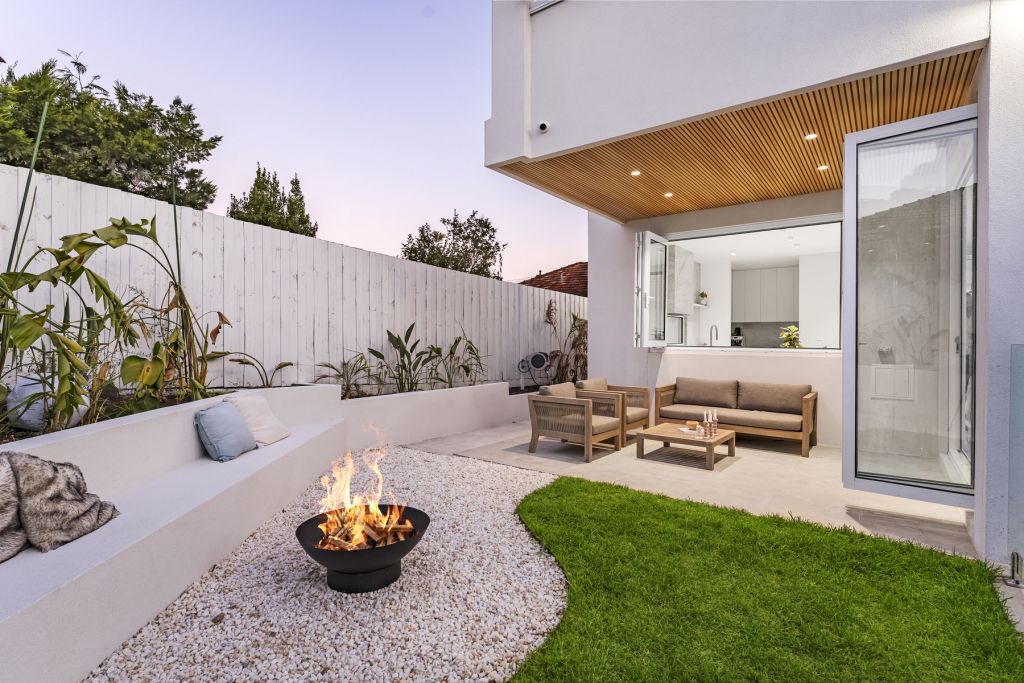
Outdoor spaces that fit your needs
Finding a property that suits you and your family is not just about looking inside, says Kingsbury.
A real positive is selecting a place that suits your needs at your particular stage of life.
“Obviously, if you’re in your retirement, you probably don’t want a massive swimming pool, or all these different spaces – you probably just want to a smaller courtyard space, which is fantastic, and easier to maintain.”
Gardens that match the architecture
Kingsbury says a garden that feels like an extension of the home is generally a good one.
“You want that flow to feel natural, intentional, considered and thoughtful.”
For example, a heritage house will need a garden that complements its age and style, while a bold contemporary style house may call for vegetation that softens it and brings it into the landscape, he says.
We recommend





States
Capital Cities
Capital Cities - Rentals
Popular Areas
Allhomes
More
- © 2026, CoStar Group Inc.
