A guide to house-sharing during COVID-19 lockdowns
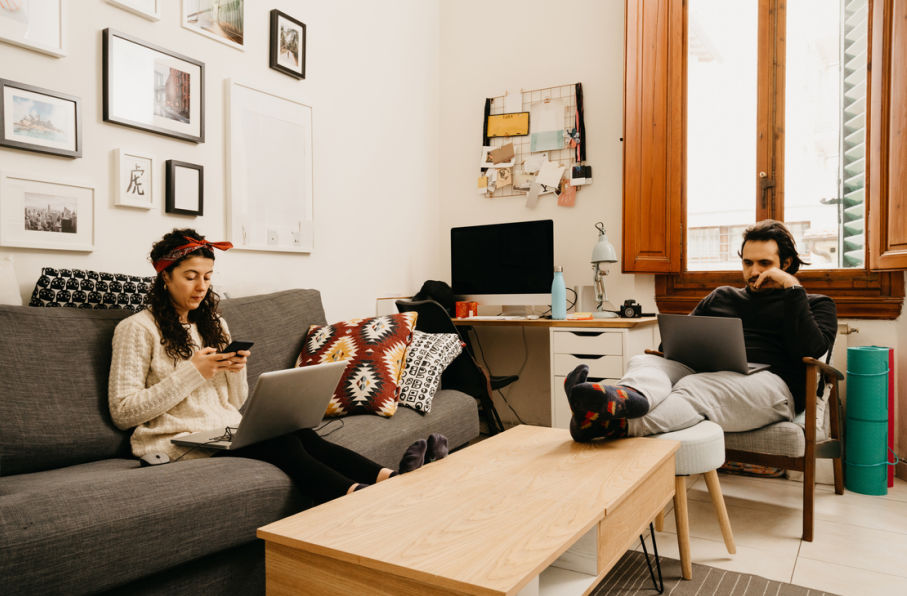
“I don’t want to freak you out, but …” are not usually the words you want to hear from your flatmate, even without a global pandemic. But in the March 2020 lockdown, my roomie uttered these words, “… I’ve got a fever and the shakes. I’m going for a COVID test.”
Home sharing can be challenging at the best of times, but sharing throughout lockdown brings its own set of issues; I say that as someone who’s flat-shared through multiple Sydney lockdowns (also, spoiler alert: my flatmate’s COVID-19 test was positive!). Whether it’s with a partner, family or flatmates, while many Australians are currently under stay-at-home rules, there are steps you can take to make your shared-living situation more bearable.
The rise of home-sharing
Despite the myth, house-sharing is not just the domain of students, backpackers or first-time renters. A survey of over 10,000 respondents conducted by the accommodation website flatmates.com.au found that the average Australian flatmate is aged 25-34 (with an increasing number in their 40s and 50s), living in Sydney or Melbourne.
Rising rents and soaring property prices have also seen the rise of the “boomerang generation” – adults opting to live with their parents, which increased during the pandemic, according to research company Finder.
The ‘Hoffice’
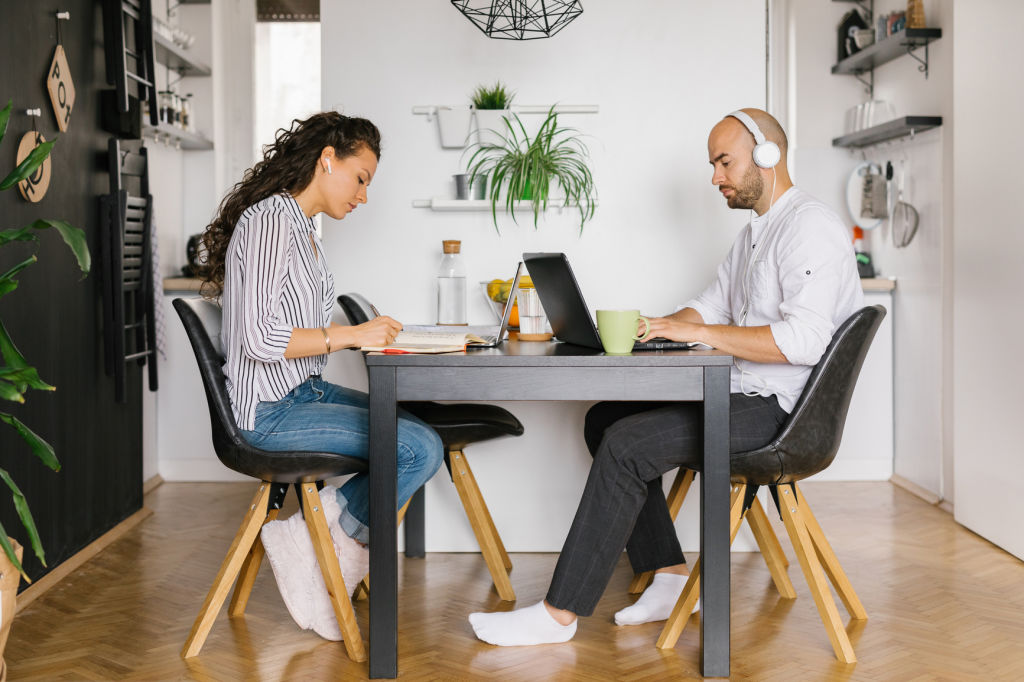
The Families in Australia Survey: Towards COVID Normal conducted in late 2020 found that over two-thirds of Australians are now either sometimes or always working from home. Enter the “hoffice”, or the home office.
Whether it’s overwhelmed Wi-Fi or the dulcet tones of “You’re on mute!” echoing through the house, working from home with others isn’t always easy. Alongside investing in some noise-cancelling headphones, there are some other ways to manage this better.
Megan Dryden is the owner of The Organized Life, a professional home-organising business based on Sydney’s northern beaches. Dryden recommends dedicating one area or desk for each person to work at, even if it’s within a communal space. There are many different types of desks available, including stand-up desks and ones that easily pack down too.
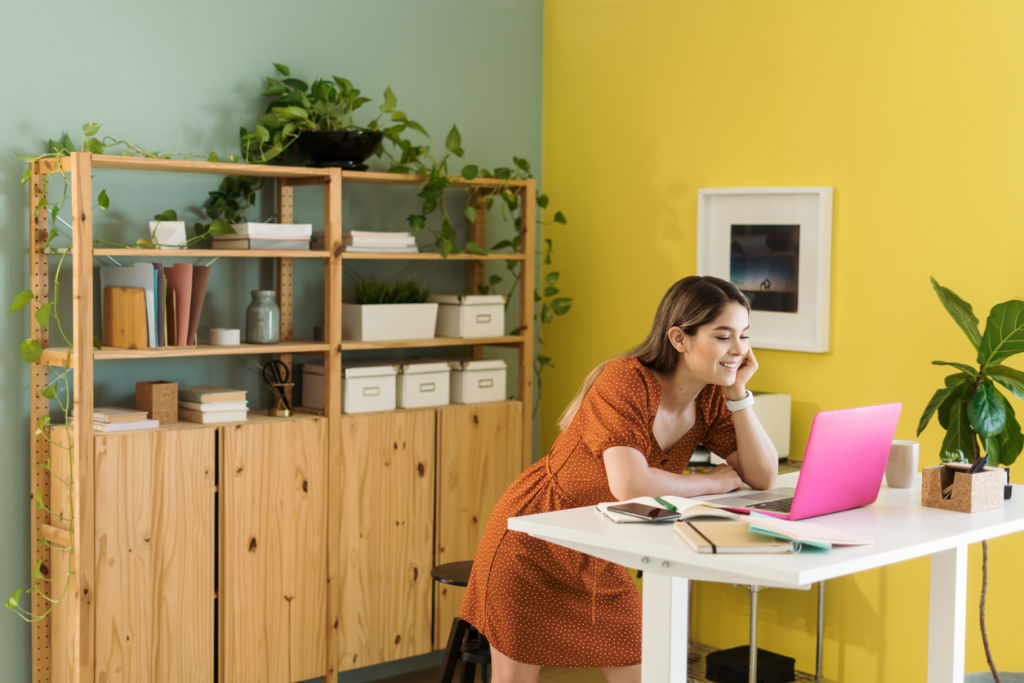
“If someone’s living in a really small space, they can set [a pop-up desk] up in the living room, use it throughout the week, and then pack it down,” Dryden says. “It gives them a bit more room on the weekend to do things that [family or roommates] want to do together, as not everyone has the luxury of having an [at-home] office.”

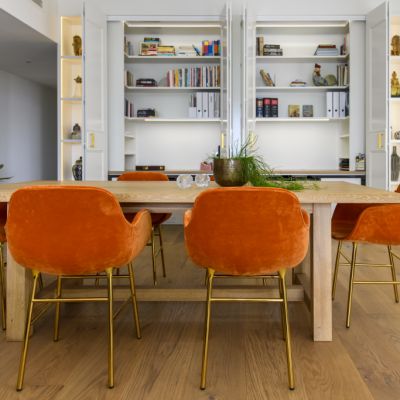
Room dividers are also a great investment. Dryden says, “You can set up desks on either side of a room divider; you are getting space from each other, and it somewhat blocks out noise – because that’s another thing that I’m hearing a lot [from clients], particularly parents with kids at home. When everyone’s on their Zoom calls, the noise can get quite loud. Having dividers blocks that out a bit.”
House meetings
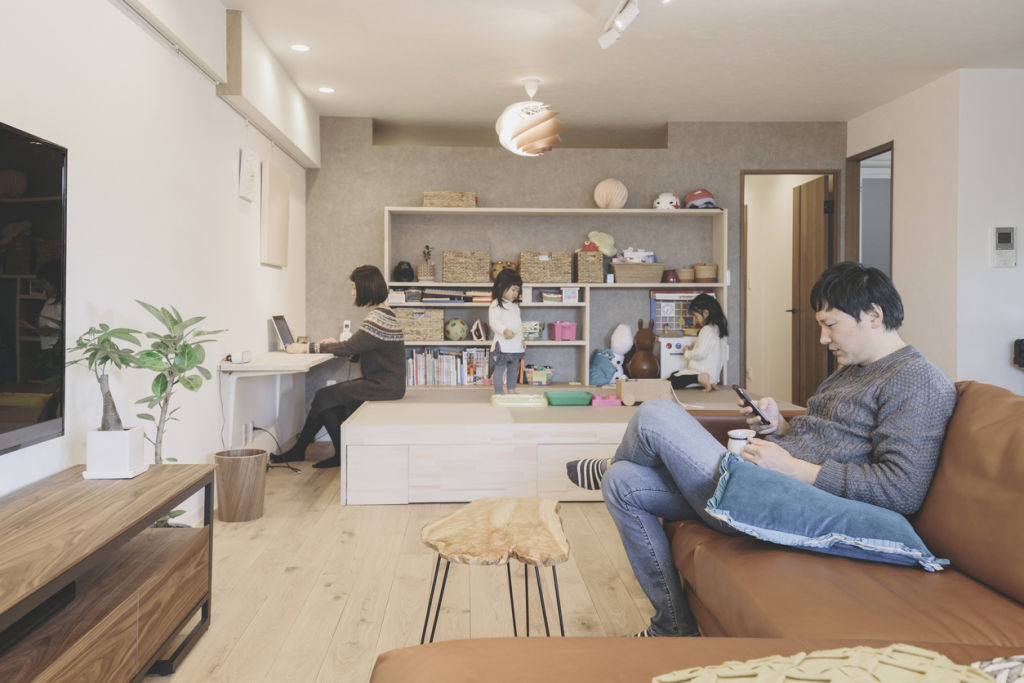
While you might be used to having meetings at work, it can be handy to have these with housemates too as a way to set clear boundaries and resolve conflict.
“Lockdowns are tricky times and we need to facilitate healthy and effective communication to work through these challenges,” says Jeremy Neumann, director of Humans Being Counselling, a Melbourne-based counselling service specialising in psychology and mental health.
“It can be helpful to organise a regular weekly ‘house meeting’ to create a safe space to discuss house rules, expectations and strategies to manage issues that arise. You can treat this like a work team meeting and have agenda items, minutes and actions.
“This is a great place to discuss expectations around use of common areas [and] working-from-home plans, including preferences, expectations and ways of supporting each other.”
One person who has benefited from family meetings is Ala Paredes, who lives in a four-bedroom shared house in Western Sydney with her husband, a pre-schooler, an 11-month-old baby and her parents. With four adults locked down and working from home, they’ve had to find ways of managing this effectively.
“Family meetings” between Paredes and her husband during lockdown has helped them to keep on top of their different working schedules, household needs and childcare arrangements.
“[Since lockdown] My husband and I have semi-regular [1-2 times per week] family meetings,” says Paredes. “We try to refine our workday, trying out shifts, taking turns with the kids. We usually have these meetings after both kids fall asleep.”
Finding space
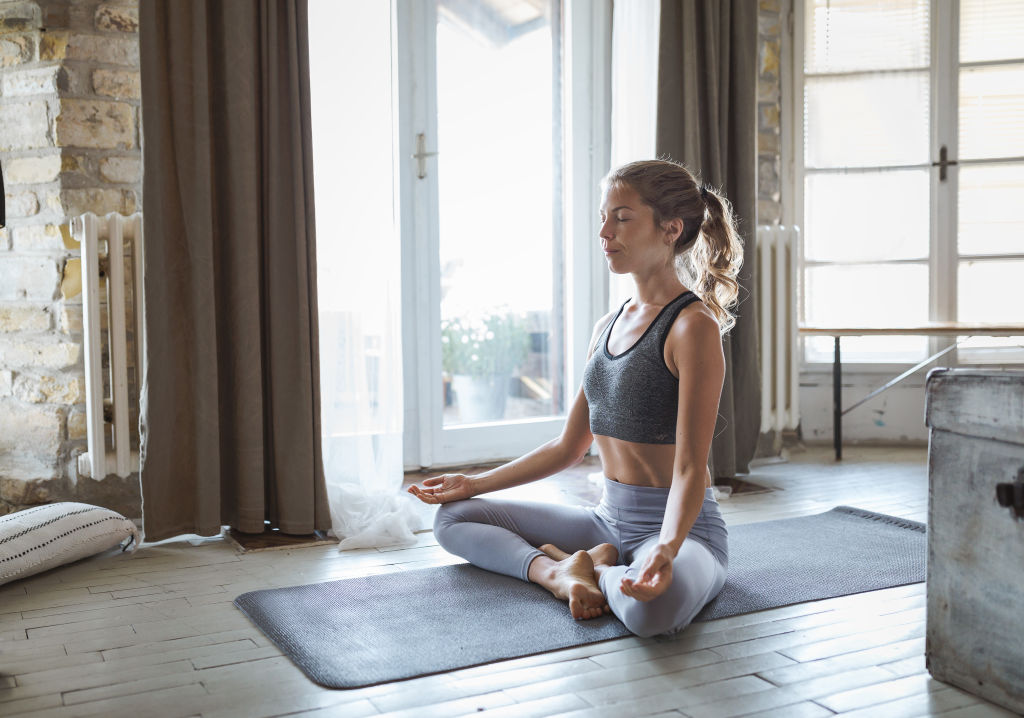
Even the most spacious of homes can start to feel claustrophobic when you’re confined to them with housemates. If you have your own private area, sensory elements like diffusing essential oils or using salt lamps for soft lighting can help make an area seem more relaxing, according to Dryden. But finding a quiet space for solitude can be half the battle in a shared home.
“You might be needing space and therefore spending more time in your room during COVID,” Neumann says, “so finding useful activities such as learning the skill of mindfulness or yoga through apps, starting a new hobby such as knitting, drawing, writing [or] musical instruments are all ways you can find pleasure in the space of your own home whilst having some space from your housemates.
“Responding to and reducing our stress can help us manage other things in our lives more effectively, such as the frustrations of our housemates.”
Worst COVID-case scenario
After my flatmate tested positive for COVID-19, we were both immediately told by NSW Health to self-isolate for at least 14 days. If this happens to your household, your state health department will provide the most accurate and up-to-date information.
According to NSW Health, during home isolation you should not share dishes, cups, eating utensils, towels, bedding, laundry items or other things with anyone. After using these items, you should wash them thoroughly with soap and water or use a dishwasher/washing machine.
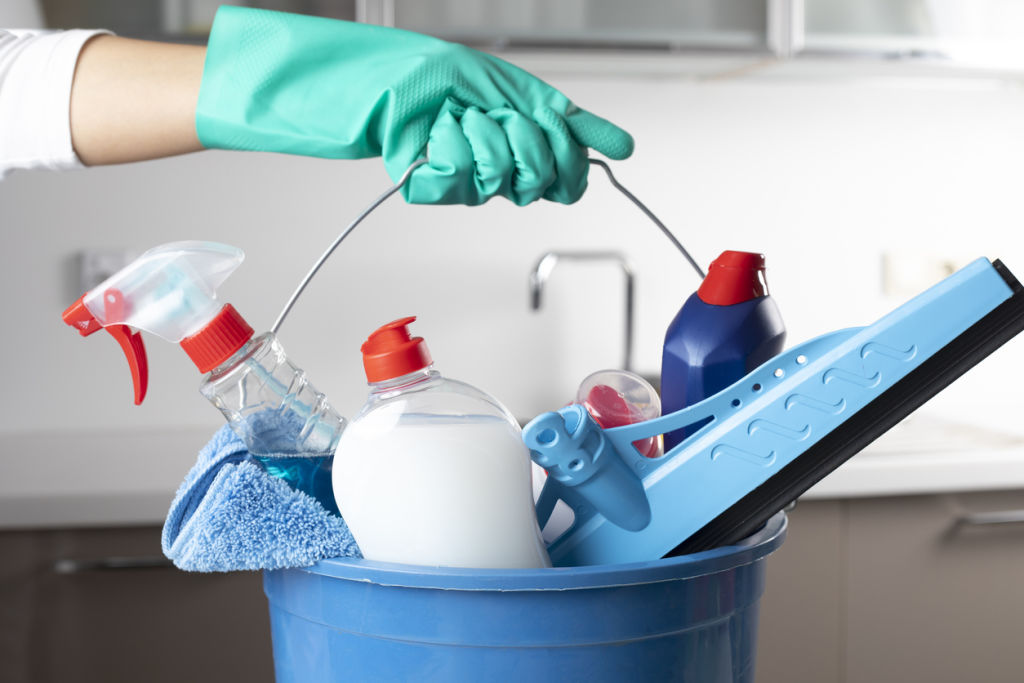
Clean all “high-touch” surfaces, such as counters, tabletops, doorknobs, bathroom fixtures, toilets, phones, keyboards, tablets and bedside tables, with household disinfectant or diluted bleach solution at least once a day wearing disposable gloves.
Sharing during lockdown needn’t be a downer. Relaxing activities, separating your “hoffice” space, and communicating well is key.
We recommend




We thought you might like



States
Capital Cities
Capital Cities - Rentals
Popular Areas
Allhomes
More
- © 2025, CoStar Group Inc.
