How to reduce air-conditioning costs: 2026 tips from an appliances expert
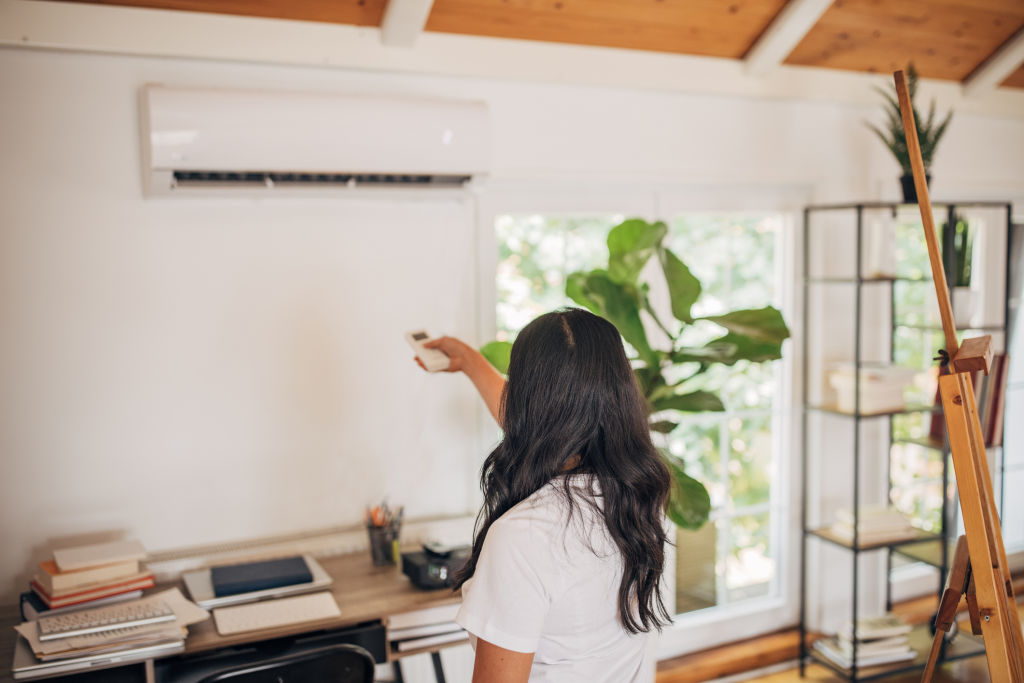
If you were lucky enough to grow up with air-conditioning during a sweltering Aussie summer, you’ll likely know the cardinal rules.
Rule one: don’t actually use the air-conditioner. It’s not a cooling device; it’s a wall decoration. A test of will.
Rule two: if your home starts resembling the fiery pits of hell and you have no choice but to turn it on, make sure you shut the blinds and, for the millionth time, close the front door.
There are plenty of habits, like these, that I’ve picked up over the years. But in a city where higher temperatures are the new norm, it’s time I learn how to get the most out of my appliance.


How to get efficient use from your air-conditioner
Temperature
On a recent scorching day in Sydney, when the temperature topped 42 degrees, I turned my aircon to a much cooler 23.
That was my first mistake.
Appliances Online air-conditioning expert Colin Jones had his set to 26 degrees.
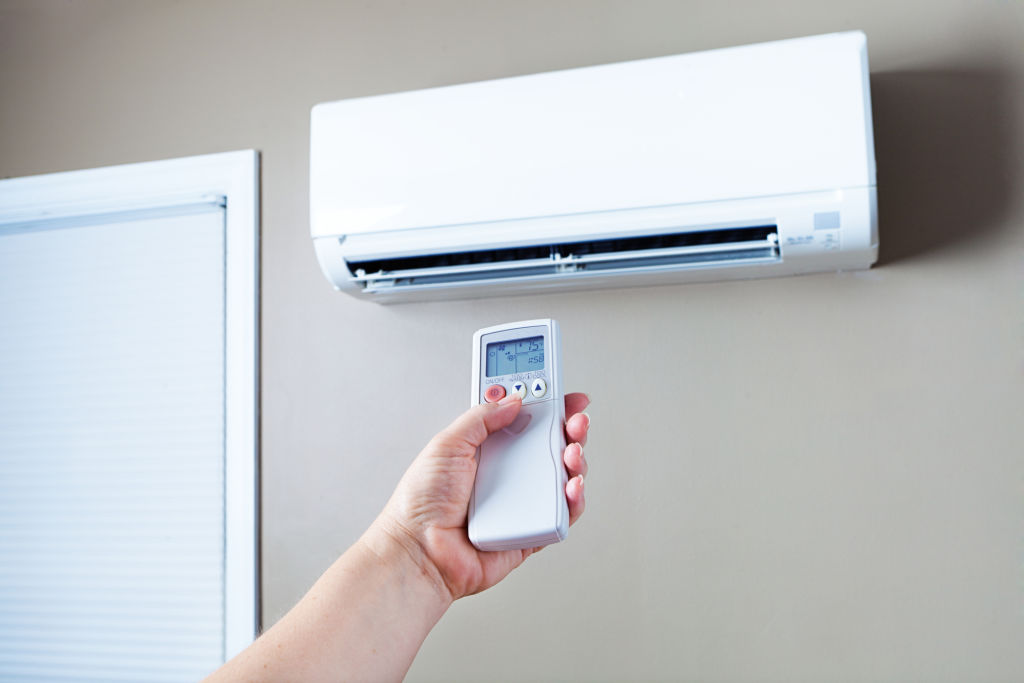
He says that while it depends on individual preferences, most people set the temperature much too low.
“When you go inside and it’s like 38, 40-odd degrees outside, you’re walking from the hot and you walk into the freezer.
“Having a temperature too low makes your air-conditioning compressor run constantly … and it will actually raise your running costs, because the unit has to work harder,” he explains.
Jones says that for every extra degree of cooling (or heating in winter), your energy usage can increase by 5 per cent to 10 per cent.
Timing
Is it better to start your air-conditioner early, before the temperature climbs, or is it best to wait until you really need it, usually at the hottest part of the day?
Jones says there’s no hard-and-fast rule, and it comes down to personal preference.
“It depends on the individual. I put mine on at about 10 or 11 o’clock before the hottest part of the day,” says Jones. “But first thing in the morning is not that necessary.
“Some people put it on in the [early] morning and leave it on all day,” Jones says.
But beware: running your air-conditioner all day can lead to higher electricity bills.
Maintenance
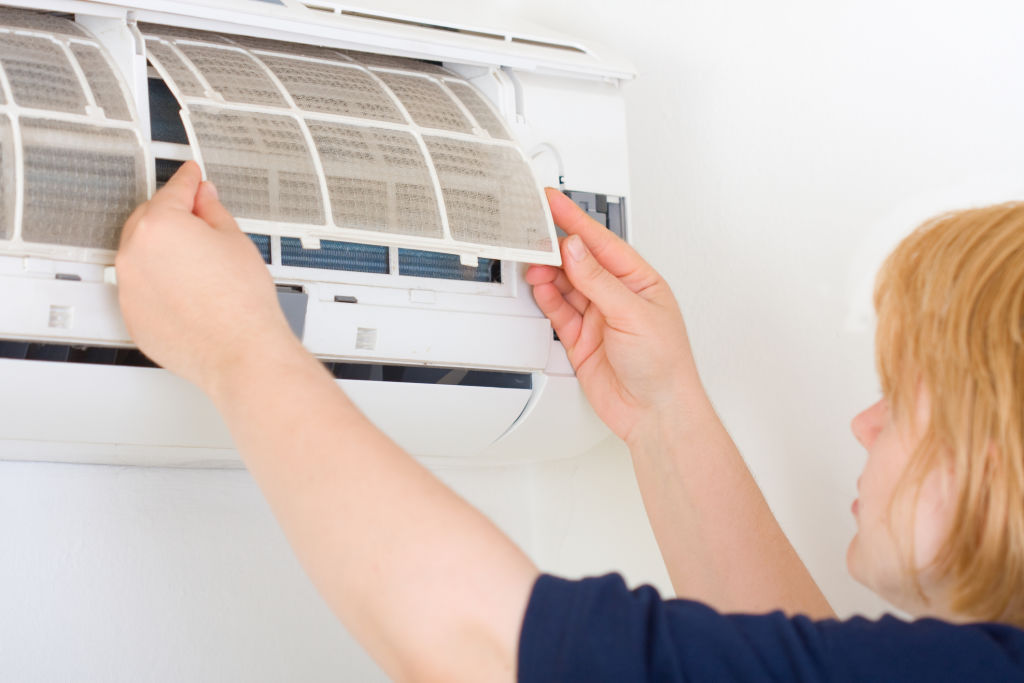
To keep your air conditioning unit running at peak performance, Jones recommends cleaning the filters every six months.
This is easy to do: give them a rinse in the sink, then dry them and put the filters back in.
Another habit Jones says is worth forming is running your air-conditioning unit periodically to improve airflow for the gases within it.
Run it for 10-15 minutes every three months, even in winter or months when it’s not being used.
Passive cooling tips
Close your window shades
You can reduce energy costs by approximately 30 per cent in one simple way: closing your blinds or shutters.
“A lot of people think that when they have an air-con, they don’t think of closing blinds or having window shades to keep that heat out,” Jones says.
“If you’ve got windows facing the west, you’re going to get that afternoon heat anywhere from two o’clock onwards … you might as well not have the air-con on at all.”

Make the most of your layout
Open-plan living zones can take a long time to cool down, while walls can block airflow from your air-conditioner.
On Sydney’s 42-degree day, Jones also set up a fan to circulate cooler air throughout his home, helping push breezes down hallways and into other non-air-conditioned rooms.
Also consider closing off rooms that don’t need cooling to reduce your unit’s workload.
Avoid making hot meals
Using ovens and cooktops can make the heat worse on extremely hot days.
Most modern ovens have a safety feature called a cooling cavity vent. This keeps the front of the oven cool while reducing excess heat on the oven’s electronics, so when you turn your oven off, it releases heat back into the room, making you hot and the air-conditioner work harder.
“If you want a hot meal through the summer months, use your microwave or slow cooker – something that doesn’t create excess heat you’ve got to remove,” Jones says.
A calculation to help you choose the best air-conditioner for your needs
If you multiply your home’s square metreage by 0.15, you will get the number of kilowatts you need in an air-conditioning appliance.
Jones says: “For example, if the area is 50-metres-squared and you buy a 4.5-kilowatt unit because it was on sale, it won’t reach the desired temperature. The air-conditioner will only cool part of the area and will keep running nonstop, which increases your energy costs.
“If your calculation suggests a 7.5-kilowatt unit and there’s an 8 kilowatt option available, it’s better to go up in size rather than down.”
Conversely, an oversized air-conditioner can lead to humidity and wasted energy costs.
We recommend







States
Capital Cities
Capital Cities - Rentals
Popular Areas
Allhomes
More
- © 2026, CoStar Group Inc.
