Robots v reality: How well do they really clean our homes?
Remember The Jetsons? The animated sitcom followed a futuristic family living in a high-tech world filled with flying cars and push-button convenience.
Many of the shows’ storylines have proven prophetic, with plenty of Aussies now boasting “smart homes” and automated appliances.
But do these appliances live up to Rosie the Robot, the Jetsons’ full-time robotic maid?
Domain did some digging to see what’s currently available to the average household and whether they’re really making our lives easier.
Window cleaner
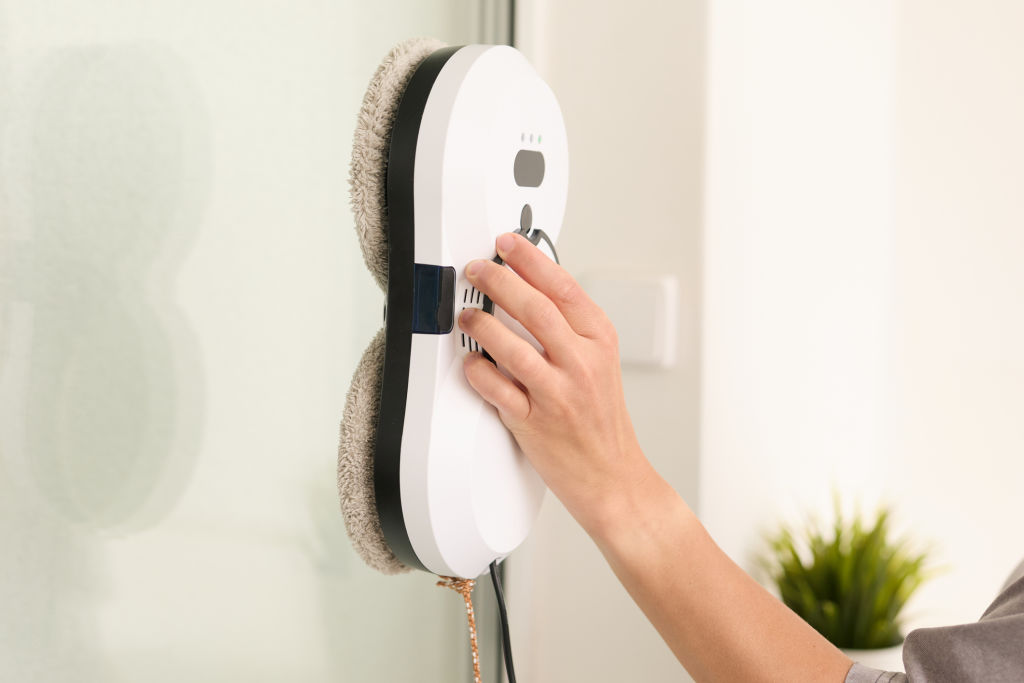
Did you see the robotic window cleaner advertised in a recent Aldi catalogue? Priced at $299, it presents as an affordable alternative to a professional window cleaner, who might charge up to $800 for a day of hand-washing your windows.
Controlled by a smartphone app, the Aldi cleaner, like most models, suctions onto windows and cleans via a microfibre pad fed from a reservoir filled with cleaning fluid.
After trawling through online reviews of this and other robotic window cleaners, the verdict seems to be that these robots are “half-decent”.
Most are powered, so you’ll need an extension cord for high windows, and it seems there’s a limit to how close you can get to window edges and corners. And most don’t scrub, so hard-to-remove detritus stays put.

One of the biggest drawbacks is that these cleaners can’t be used on inaccessible windows like skylights – perhaps one of the key reasons for hiring a professional. And they still require a lot of human intervention: you’ll need to manually move the cleaner between windows, change and clean the pads and clean any spots the robot has missed.
As independent Australian consumer advocacy organisation Choice sums it up: a robot window cleaner is best used as a maintenance device, to keep windows clean, rather than to tackle very dirty windows.
Lawn mower
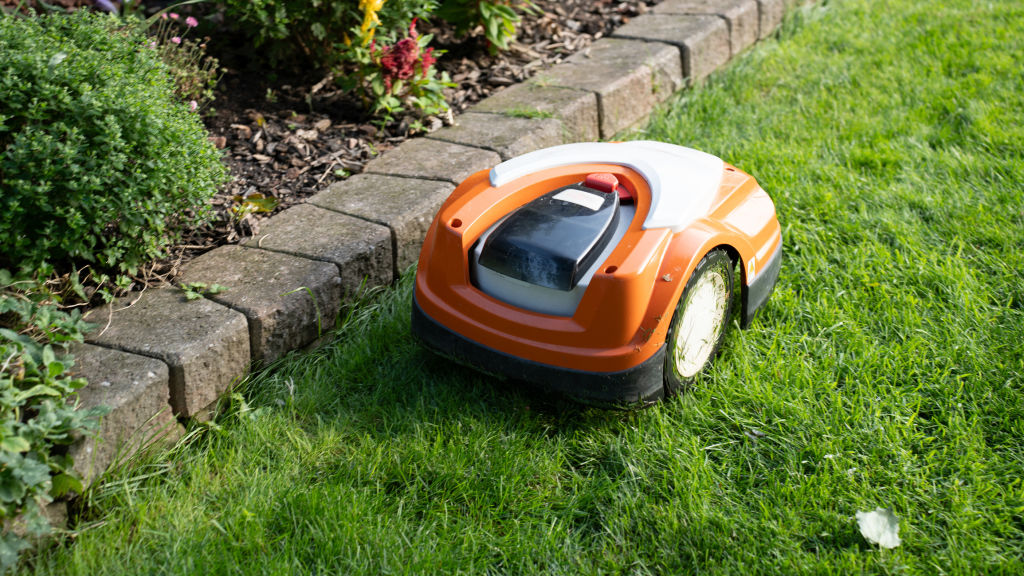
With prices starting at around $1000 and quickly rising to $10,000 for premium models designed for large gardens, robotic lawn mowers aren’t for the faint of wallet.
Reviews on their efficacy are mixed. Many users give the thumbs-up for saving time and eliminating emissions, and Choice found the mowers it reviewed performed well from a safety perspective.
On the downside, these robots don’t perform well on uneven terrain and can struggle with lawn edges, corners, and detailed trimming. The set-up process can also be complicated, with some models requiring boundary wires to be installed and others requiring mapping.
“Robot lawnmowers do require a bit of setting up and you’ll need to keep an eye on it for the first week to make sure it’s operating properly around the various bumps and dips in your lawn,” says Matthew Steen, director of Choice reviews and testing.
It seems even the best robot lawn mower is not a perfect substitute for human management, especially if you’re very lawn-proud. The decision might come down to a trade‑off between effort and time saved, versus the quality of finish.
Pool cleaner
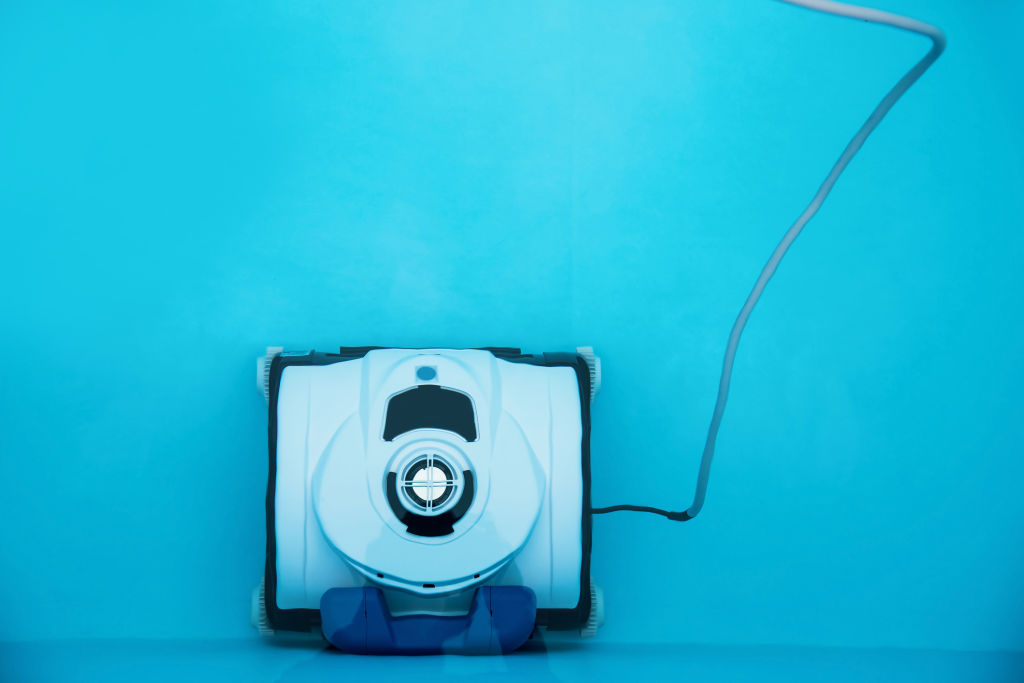
Suction cleaners for pools – the ubiquitous creepy crawlies – have been around forever, filling up your skimmer box with leaves and other air-borne debris.
Cordless robotic pool cleaners are a newer technology and work independently from the filter and pump. There’s an electric motor inside the unit and a built-in dirt receptacle that you’ll need to empty.
Choice reports they provide a more thorough, complete clean than suction cleaners, but they’re expensive and must be placed in the pool for cleaning and then retrieved for recharging after each clean.
Once again, it’s more of a maintenance tool than a cleaning tool.
“If you’ve abandoned your pool during the cooler months or haven’t run the pool for a while and it’s filthy, you’ll find a pool cleaner won’t do a good job of cleaning it,” says Steen. “It’ll require a good manual clean to get it back to pristine condition before you can relax and let the pool cleaner take care of maintenance throughout the swimming season.”
Vacuum
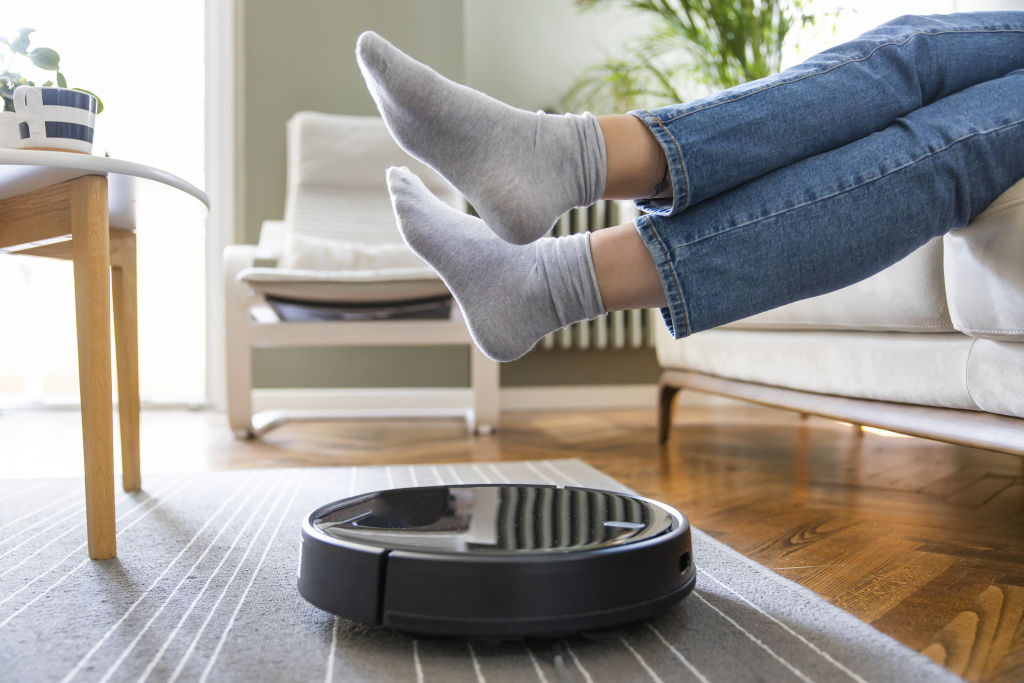
Australians may love their robot vacuums, but Choice testing makes it clear: they’re not quite perfect yet. In a recent review, none of the robots scored higher than 75 per cent, indicating there’s plenty of scope for further improvement.
While vacuum sensors and mapping abilities are improving, they still get stuck, and they don’t clean as well as traditional vacuums because their smaller motors can’t generate as much suction. Choice reports that their brushes don’t agitate surfaces like a hand-driven cleaning head might, which means they may struggle with both pet and human hair, and just don’t have the same power to properly clean carpet.
“Robot vacuums are much more of an additional product, rather than a replacement for your stick or barrel vac,” says Choice home appliance expert Adrian Lini. “They’re useful if you’d like something you can set to a schedule and clean your space more regularly, depending on how open your floor space is, or whether it’s often covered with toys, for example.”
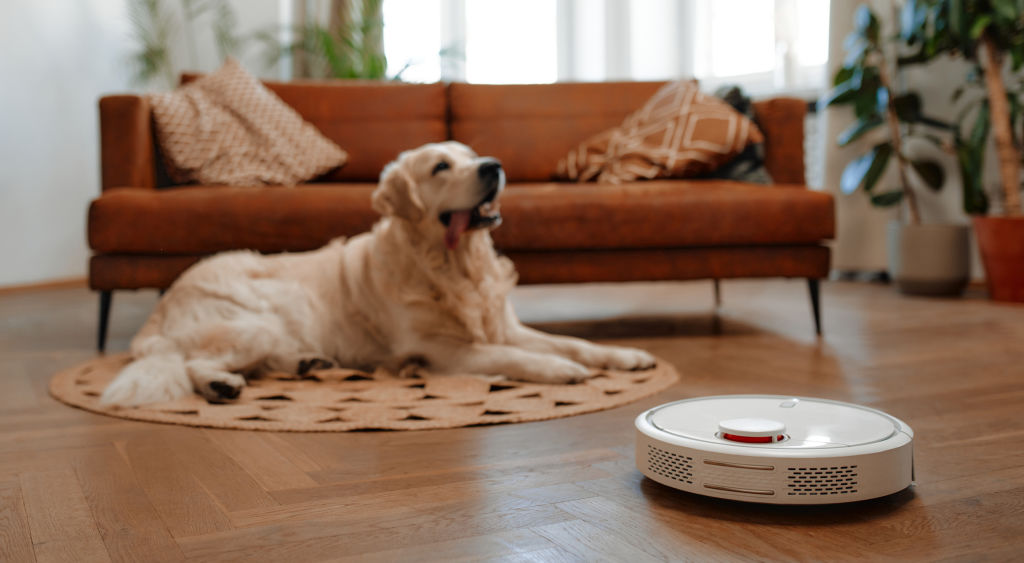
Lini says robot vacs can also be very useful for people who may have allergies and don’t want dust to build up between deeper cleans with their usual vacuum.
But he warns against cheap machines.
“It’s important to do your research before purchasing a robot vac, and invest in a quality product, otherwise even the light cleaning they do won’t be up to scratch, and you’ll just end up throwing it out.”
Looks like The Jetsons were well ahead of the curve when it came to their robotic maid, making Rosie the Robot an elusive, gold-standard ideal.
We recommend





We thought you might like



States
Capital Cities
Capital Cities - Rentals
Popular Areas
Allhomes
More
- © 2026, CoStar Group Inc.
