Architecture helps us reach for the sky
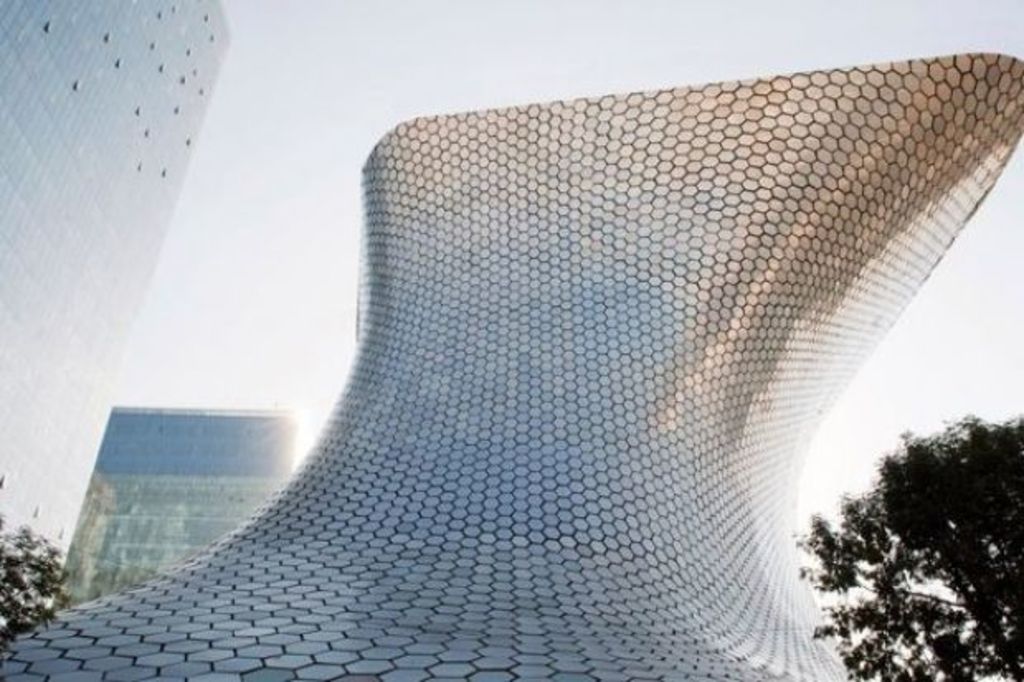
This week Tony Trobe talks to Byron Kelly as part of an occasional series with Masters of Architecture students at the University of Canberra. They have written manifestos as part of research into contemporary architects.
TT: You looked at Rem Koolhaas’ seminal study of Manhattan, what interested you?
BK: Rem Koolhaas is one of the most significant contemporary architects and his firm OMA – Office for Metropolitan Architecture – is working all around the world. He came to prominence with his 1978 book Delirious New York and it was this early work that fascinated me. Koolhaas’ insight into the iconic city of New York, in particular the skyscraper, allowed him to develop an interesting idea of why a city, such as New York, thrives. He describes a “culture of congestion”, the creation of a hyper-dense society that maximises fetishism of today’s consumer-driven society. The skyscraper is an “economy” driven architecture that maximises efficiency, but it also can create a thriving society through maximising interactions and “fun”. Koolhaas says “congestion” can be positive and we should pursue it!
TT: So we should embrace the world we live in, and intensify it?
BK: Definitely. But just because we live in a world that is completely market driven does not mean we should call it a day. We shouldn’t resign architecture to a commodity only for the wealthy. Architecture can promote how and why we interact with the world. Manhattan originally had skyscrapers that combined every possible use … Imagine a tower, 50 storeys high that not only offered you a place to stay, but also a zoo to visit in the morning, maybe a five-star restaurant for lunch, a theatre performance for the afternoon and lastly a bar to visit for a nightcap before bed. That is what skyscrapers can and should be. They can offer every delight imaginable, all within a single building.
TT: Wow, so why aren’t architects designing like this in Canberra?
BK: Well, we already have buildings that are like these Manhattan Skyscrapers, only much smaller. Take the Nishi building in New Acton. That is a small-scale version of Manhattan in a sense. It offers a hotel, bar, restaurant, residential apartments and a cinema; all housed in a single building. Regardless of the aesthetic of the building, people enjoy the Nishi building because there’s always something going on. People enjoy spaces much more when others are involved.
TT: So, lastly, what are you suggesting in your manifesto when you say, “The Tower will become great once more, it will become more than a photocopy of consumerism.”?
BK: Effectively I’m saying that architects need to escape from the tyranny of zoning and return to mixed-use; particularly in Canberra, which lacks vibrancy and surprise interventions. If we embrace this consumerist society and focus on creating a dense city, we can have all our wants fulfilled. Architects and developers need to revalue what it means to be a community and to create architecture that gives people more than a single reason for being somewhere or using a building.
If we create buildings that have more opportunity for interaction, then our cities will be more enjoyable.
Tony Trobe is director of the local practice TT Architecture. Is there a planning or design issue in Canberra you’d like to discuss? Email tonytrobe@ttarchitecture.com.au.
We recommend


We thought you might like

States
Capital Cities
Capital Cities - Rentals
Popular Areas
Allhomes
More
- © 2025, CoStar Group Inc.
