Property sellers found a way to save money and time, but there’s a cost
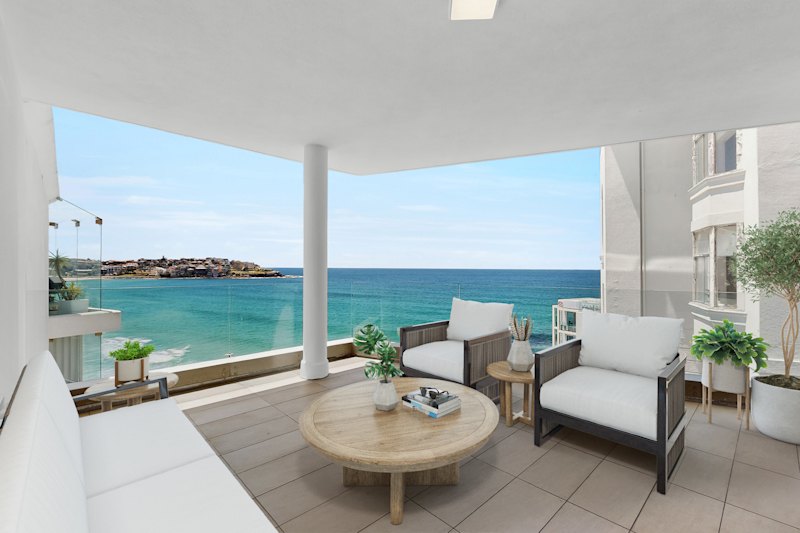
It’s a quick, cost-effective and increasingly popular way to prepare a home for sale or rent – but some virtual styling doesn’t always serve sellers or buyers, say experts.
The practice – also known as virtual staging – involves photographing an empty property then superimposing images of furniture and other objects, creating the impression that the home is furnished.
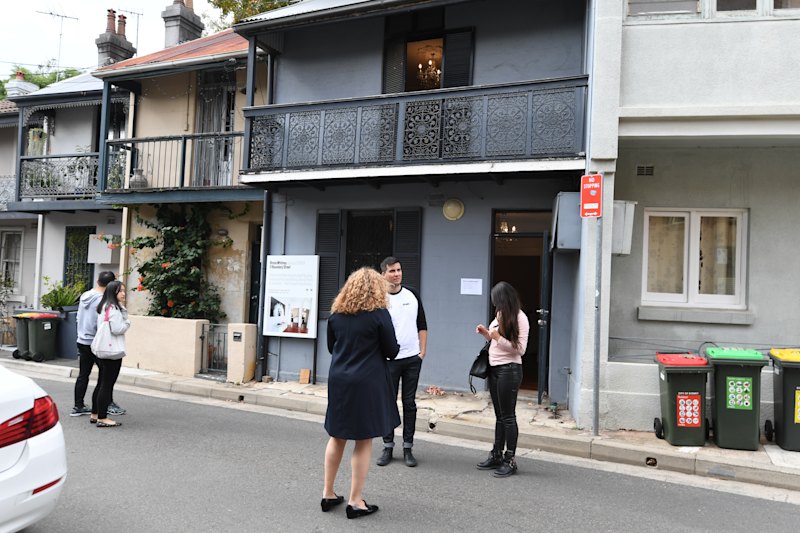
The technique isn’t new, but the advent of artificial intelligence-driven virtual-styling services has led to a significant uptick in its popularity.
AI-styled photos can be ready in minutes, accelerating the property-listing process. The cost is as little as $10 per room.
But the quality of the results can vary, and the images can be a turn-off for younger buyers and renters who place a premium on authenticity.
Real Estate Institute of Australia president Jacob Caine says most listings that feature virtually styled images are for entry-level apartments and houses.
“The clear value proposition of virtual staging is the upfront cost,” he says.
“Physical staging can cost an owner several thousand dollars. Virtual staging can be delivered for a few hundred.”



That sort of savings can make a big difference in percentage terms for sellers or landlords operating at the entry level, says Suzi Buckley, buyer’s agent at Cohen Handler.
“It is, quite simply, the most cost-effective way to present a property to the market,” she says.
However, there is a disclaimer: to be truly effective, virtually styled images must look completely realistic – and not all currently do.
“Like any new concept, there are good examples of virtual styling and not-so-good ones,” says Buckley.
Aside from clunky object placement and not-quite-right shadows or lighting effects, some virtually styled images can misrepresent a property by ‘scaling down’ objects, so more furniture fits in a room.
“There is a risk that virtual styling can mislead buyers by presenting a property in an unrealistic way,” says Buckley.
“If a client turns up to physically inspect a property and realises it’s quite different to the images, it’s game over.”
Kyron Edwards, 30, a mobility coach and fitness influencer searching for a two-bedroom rental in Sydney with his fiancée, says he “knows immediately” when listing images have been virtually styled.
“It is quite off-putting,” he says. “It makes us question whether we can trust the listing.”
One potential solution for sellers and landlords is to employ a virtual-styling service powered by humans rather than AI.
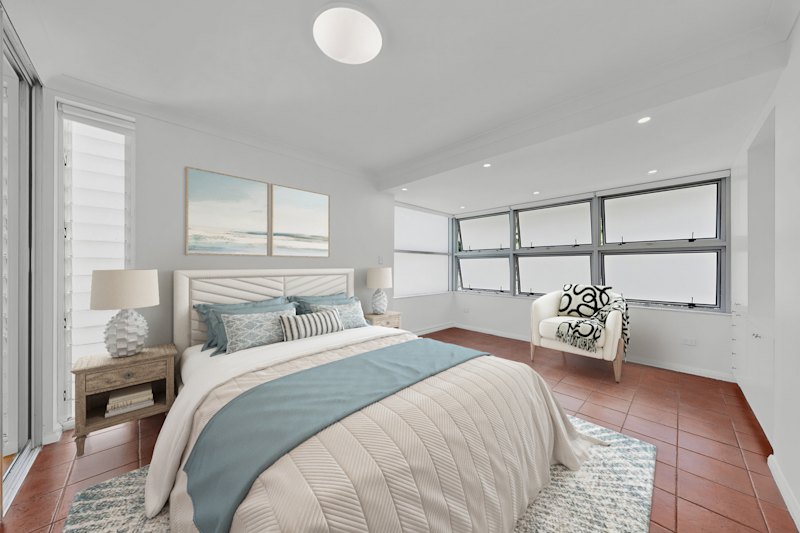
Little Hinges offers virtual styling by in-house graphic designers alongside services such as listing photography, floor plan drafting and 3D virtual tours.
“AI solutions give virtual styling a bad name,” says Maggie Hook, Little Hinges’ head of growth.
“The AI is just not smart enough yet. It doesn’t have the human touch that is required to style a property appropriately for its target market.”
That lack of sophistication can mean culture clashes: think old-fashioned furniture in a modern apartment targeted at young professionals.
“Worse than that, the geometry can be off,” says Hook. “A table or sofa might look as though it’s floating.”
However, when listing photos are styled by humans, Hook says the pros outweigh the cons, “particularly for apartments.”
“There’s no furniture hire. There’s no delivery charge. It’s logistically easier – you don’t have trades lugging things up to the 28th floor. It’s a very fast turnaround. And there are heaps of flexible styling options.”
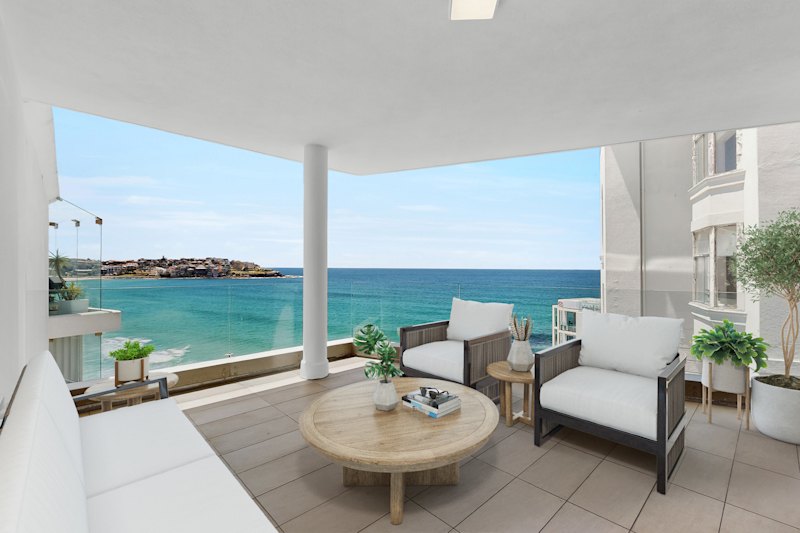
She also says , for certain properties like student accommodation, the majority of buyer or renter interest might come from interstate or overseas.
“Almost a quarter of the viewers of listings that Little Hinges contributes assets to are from interstate, and about 10 per cent are from overseas.”
For landlords and sellers of these sorts of properties, virtual styling makes more practical and financial sense than physical styling, Hook says.
Caine from the REIA and Cohen Handler’s Buckley agree that managing expectations is key when using virtual-listing images.
“When a buyer is attracted to a property with virtual styling, the potential downside is that they may not have the capacity to visualise furniture in the space when they arrive for an on-site inspection,” leaving them feeling disappointed or frustrated, says Caine.
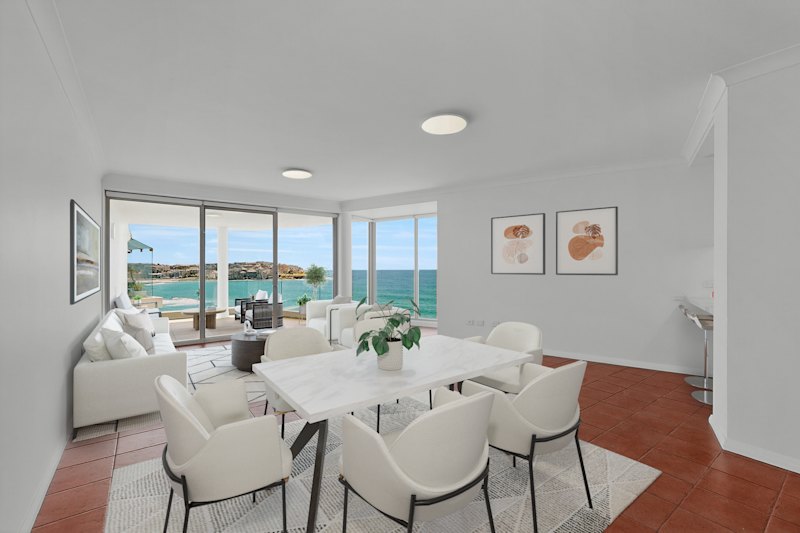
One potential solution is to clearly mark virtually styled properties as such, so that prospective buyers or tenants arrive at inspections with a tape measure in hand if necessary.
Buckley cautions those tempted by virtual styling not to gloss over the less-appealing aspects of a property.
“There are really strict laws in Australia about misleading advertising that you could unwittingly fall foul of.”
Ultimately, she says, even the most sophisticated virtual styling is no match for real-life tweaks before photographs are taken, such as replacing dated light fixtures or removing old carpet.
“If the property you’re listing has fundamental problems, there’s nothing that virtual styling can do to make it more appealing.”
We recommend








States
Capital Cities
Capital Cities - Rentals
Popular Areas
Allhomes
More
- © 2026, CoStar Group Inc.
