Suburbs where home owners are selling at a loss
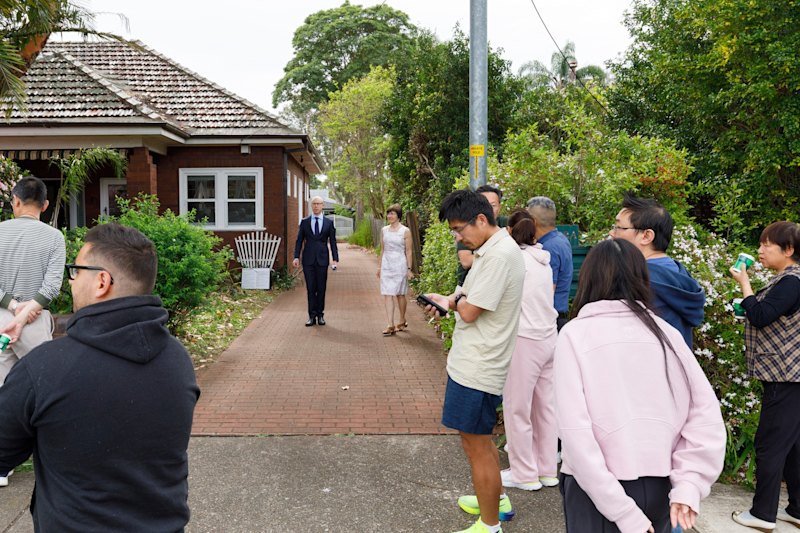
Home sellers are more likely to make a profit now than at any time in the past two decades, but their prospects are bleaker if their property is in a handful of high-density neighbourhoods.
In the September quarter, 95.5 per cent of homes that changed hands traded at a profit, up from 94.9 per cent in the June quarter, Cotality’s Pain and Gain Report released on Thursday, shows.
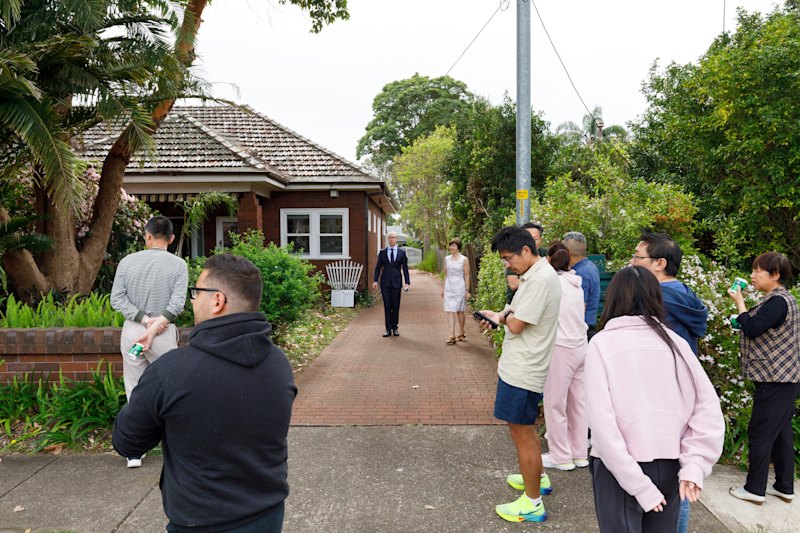
This was the highest share of profit-making sales since July 2005.
The median gain made by sellers reached a record high of $335,000 in the quarter, up from $315,000 in the previous quarter.
Cotality head of Australian research Eliza Owen attributed the rise in profitability to ongoing increases in home values throughout 2025, including a rise in values nationally of 2.5 per cent in the September quarter.
“The more you have property value increases, the higher the likelihood of resellers making a profit on their initial purchase,” she said.
Sellers were more likely to make a profit on a house sale (97.9 per cent) than unit sales (90.6 per cent).
The rate of profitability varied between cities as well as property types. House sellers had the best chance of making money in Brisbane (99.7 per cent profitable), compared with Perth at 98.9 per cent, Sydney at 98.5 per cent and Melbourne at 97.5 per cent.

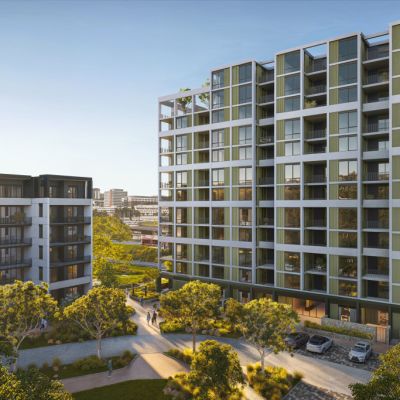
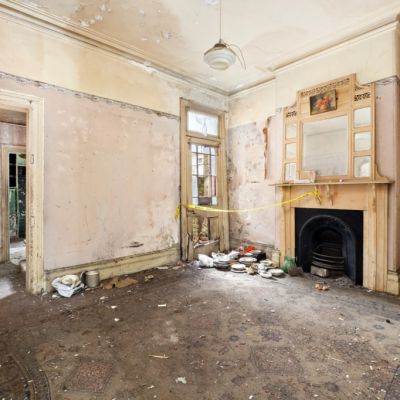
But only 80.5 per cent of Melbourne unit sellers made a gain – the least of any capital city unit market except Darwin – compared with 88.1 per cent of Sydney unit sellers, or 87.6 per cent in Perth. An overwhelming 99.9 per cent of Brisbane unit sellers made a profit.
“[There’s been] this extraordinary turnaround in profitability in areas like Perth, which has seen profit-making resales go to almost 100 per cent of the market, compared to five years ago, profitability was sitting at just over half the market,” Owen said.
“Also in this report we’ve seen a bit of a turnaround in the long-troubled Melbourne unit market, which has helped to at least marginally reduce the rate of loss in Melbourne units from a recent high in early 2025.”
In the Melbourne City Council local government area, 45.5 per cent of homes that sold in the September quarter traded at a loss. It was the highest in Melbourne, followed by Stonnington at 29.8 per cent and Port Phillip at 26.3 per cent.
Owen said Melbourne’s unit market overall had risen 2.7 per cent in value through 2025 so far, aided by rate cuts and enough of a fall in values that buyers were willing to start purchasing again – particularly investors attracted to the gross rental yield of almost 7 per cent.
In Sydney, the largest share of loss-making sales was in Parramatta at 24.1 per cent of all sales, which Owen said had been tracking sideways, followed by Strathfield (22.3 per cent) and Ryde (22 per cent).
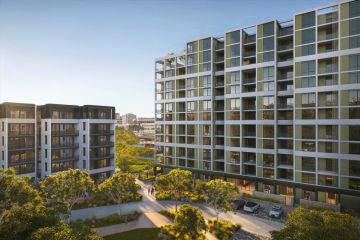
The research house found unit losses were concentrated in five local government areas that accounted for more than a third of all loss-making unit resales: Melbourne, Parramatta, Port Phillip, Sydney and Stonnington, although each of these had improved recently. While the Sydney LGA has a lower share of loss-making sales at 12.2 per cent, it has a high sales volume.
The report attributed these losses to the off-the-plan apartment development boom in the 2010s, which increased the supply of housing, before demand from property investors was curbed by limits on lending and a reduction in foreign investment.
Owen thought the property market would become increasingly divided between those who bought before and after the pandemic began.
“When the market is at record highs and you’re facing potential increases in interest rates, there’s not a lot more room for the market to grow,” she said.
“Among recent home buyers, I imagine there will be more risk of loss-making resales in the year ahead and a lot of the windfall gains have been reserved for people who bought before the pandemic.”
PRD chief economist Diaswati Mardiasmo said apartments had a different balance between supply and demand to houses.
“There’s very limited new houses that are being created. More often than not, the only time a house does become available in a suburb or an area is because someone has passed, or divorced or downsized,” she said.
“When it comes to the supply of apartments, a lot are being approved, created, built.”
She added that losses were concentrated in areas where most unit developments have been going ahead, and that sellers of smaller apartments face more risk than owners of larger units.
“If you’re playing in the one-bedroom and two-bedroom unit [market], that makes up 50 to 60, sometimes 70 per cent of the stock, [and] the possibility of you losing money is much greater than that three-bedroom, four-bedroom unit.”
We recommend




We thought you might like
States
Capital Cities
Capital Cities - Rentals
Popular Areas
Allhomes
More
- © 2025, CoStar Group Inc.
