What the home renovation market has in store during 2026
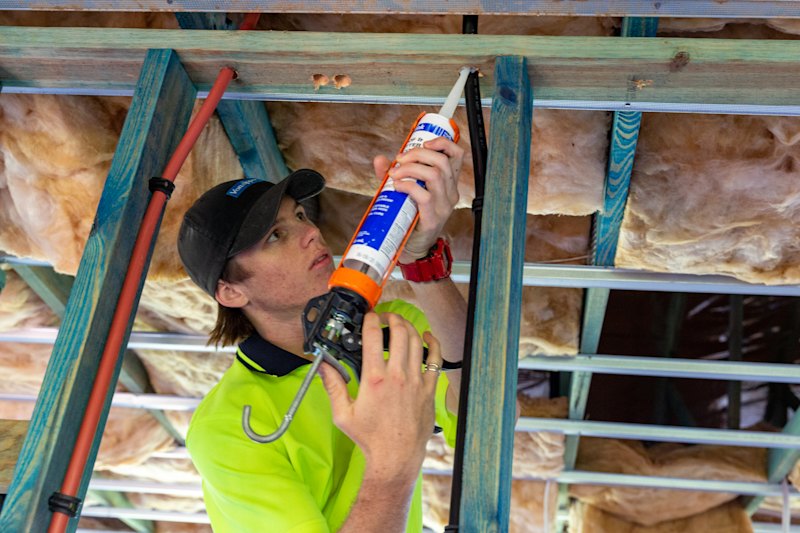
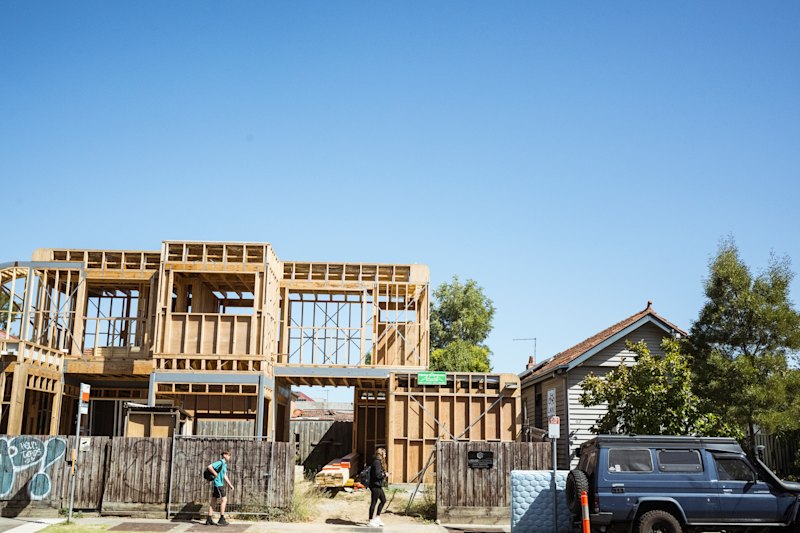
More Australians are expected to take on a renovation of their family home over the next five years, as rising house prices make it more economical to improve than move.
Finding tradespeople to hire was expected to remain difficult, though, and experts warned the expected pick-up in renovation activity would worsen labour shortages.
Housing Industry Association chief economist Tim Reardon said affordability was pushing home owners to upgrade their own property, rather than to try and buy something bigger.
“Renovations account for about a third of the activity of skilled tradespeople, so that’s going to ensure demand for skilled tradespeople will grow,” he said. “[But] land is going to be the key constraint, not labour. We expect the cost of skilled labour will rise faster than for other Australians because of the shortage of skills.”
Reardon said lending indicators pointed to a significant pick-up in renovations.
“Australians are renovating about 30 per cent more than pre-pandemic. There’s around 10 per cent more loans in volume and about 10 per cent in value on top of that,” he said. “If you already own a block of land, renovating is a very good proposition at the moment.”
The forecast also comes amid natural disasters this summer, including bushfires in Victoria and flooding in North Queensland. Reardon said natural disasters, and repairing homes damaged as a result, are a constant presence in Australia, although it often took two years after a bushfire to work through insurance and council approvals, then two years to complete the building activity.
“[The Victorian fires] will add to the amount of work available, on top of a renovation market that is already at record highs,” Reardon said.

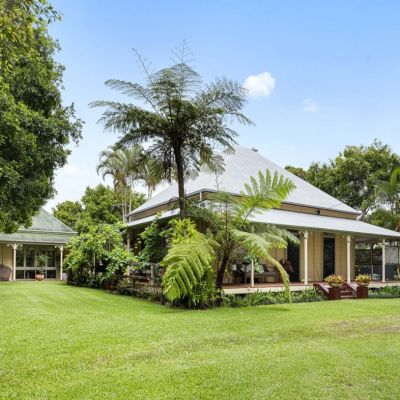
Master Builders Australia chief economist Shane Garrett said the growth in material costs was expected to remain lower than inflation, which should provide some relief to would-be home builders and renovators.
“The price of building materials is still rising, and the pace at which it is rising is a little bit faster than it was nine months ago. Overall, the price of materials in house building is 2.1 per cent more expensive than it was a year ago,” he said.
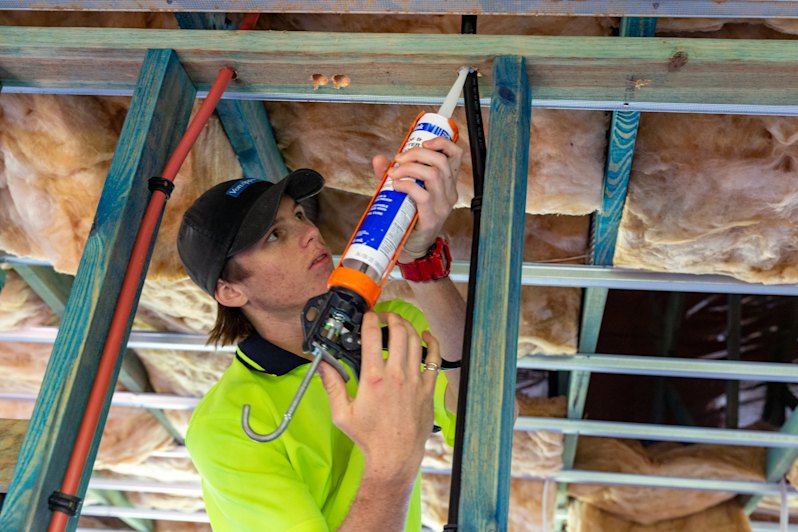
“Some building materials are increasing on the high side, [such as] concrete and sand, but if you want steel, that’s cheaper than it was last year. There is quite a bit of variation. They’re still growing more slowly than the general inflation rate but the pace of price increase has picked up over the past 12 months, which is something we’d prefer not to be the case.”
Garrett said the cost of building a new house hadn’t changed much over 2025, but it wasn’t clear if the trend could continue into the next year.
“The amount a builder will charge you to build a house is 0.5 per cent more expensive than last year, which is practically static,” he said.
“We don’t know exactly what is going to happen but the weight of evidence shows it will probably be tight for the next few years.
“There is a shortage of skilled tradies in general for the building and construction industry, then we have this housing accord, which will try to build more homes than ever over the past few years, and we have more infrastructure projects, which are taking tradies away from home building for a length of time.”
Garrett said it was not yet clear where the extra workers needed to bolster the construction industry would come from.
“We also have quite an aged workforce … It’s tricky because the number of new apprentices coming into our industry has fallen back,” he said. “Then the only other obvious way for us to get the workers we need is through migration.”
Reardon said the new apartment market was likely to improve for buyers next year because completions were expected to pick up.
“2026 is when we expect the apartment cycle to start again,” he said. “The cost of building a new apartment will be relatively affordable when compared to the cost of an established apartment.”
Garrett said most construction forecasts had been completed before the Reserve Bank had extinguished hopes of another cash rate cut before the end of the year; he said the RBA’s moves next year could change the outlook.
“I think it’s pretty clear that the interest rate outlook is less favourable than when we set these forecasts back in September … It probably means activity over the next few years won’t be as strong as we expected it to be in these forecasts.”
With Elizabeth Redman
We recommend





We thought you might like


States
Capital Cities
Capital Cities - Rentals
Popular Areas
Allhomes
More
- © 2026, CoStar Group Inc.
