Why branded residences are the hottest property trend globally

In London’s glamorous Mayfair, a set of new one, two and three-bedroom apartments, plus a four-bedroom penthouse, are being sold on the upper floors of the exclusive 50-room Mandarin Oriental Hotel.
Their decor is similar to that of the hotel rooms – think House of Gournay hand-painted silk wallpaper, floor-to-ceiling windows and marble bathrooms – and owners can use the hotel’s round-the-clock concierge, housekeeping service, restaurants, bars, valet car parking and security.
Yet they’re completely private with their own lift access – and with that prestige Mandarin Oriental branding, they command a premium price. In September last year, the penthouse was listed for sale at £42,217,600 (nearly $85 million).
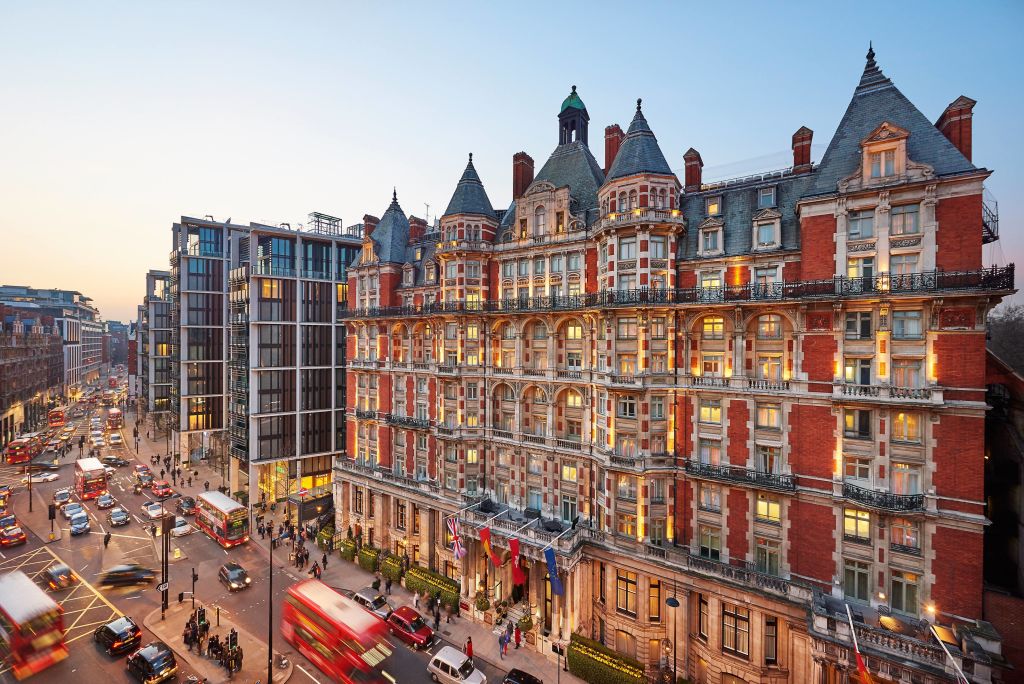
“Branded residences are where the market is being led and pitched at the moment,” says Liam Bailey, global head of research at Knight Frank.
“It’s a logical step for developers to brand their residences with a prestigious hotel as it’s an opportunity for a hotel to leverage their brand and build loyalty, and an opportunity for a developer to differentiate their product and sell for a premium.”
Knight Frank and McGrath have just examined the strength of the growing global branded-residence industry in their new The Residence Report. They looked at more than 1000 current and pipeline schemes across 83 countries, charting the acceleration from 169 in 2011 to 611 today, and forecasting 1019 by 2030.
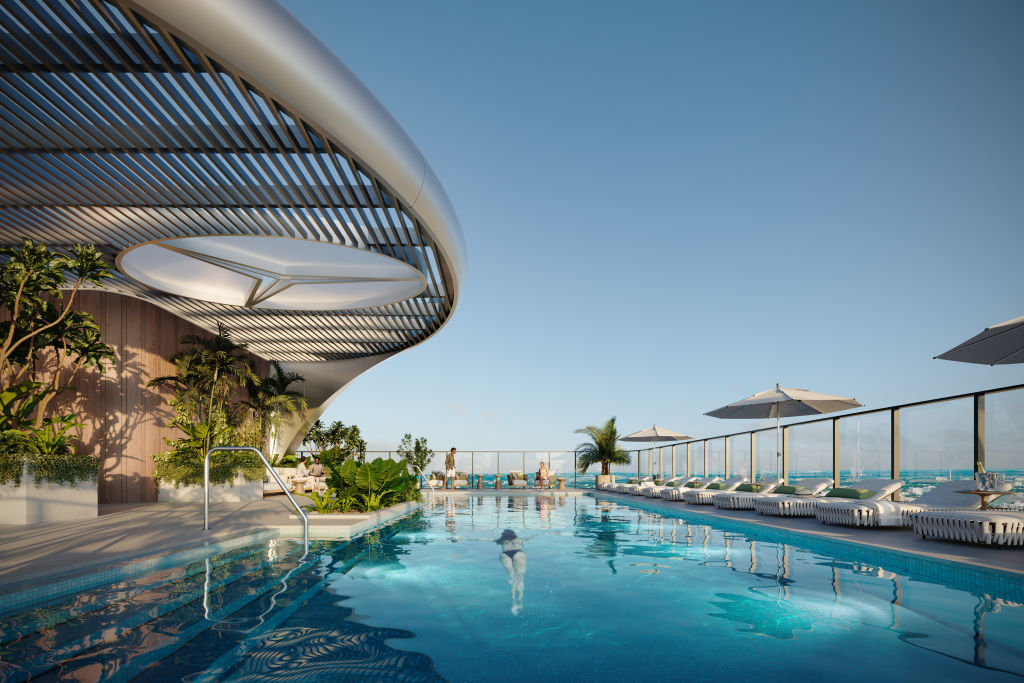
While 83 per cent of existing branded residences are attached to hotel brands, whether co-located or standalone, there’s now also a proliferation of developers tying their projects to top fashion and car names, like Karl Lagerfeld, Bentley and Jacob & Co, and top wellness companies such as SHA.
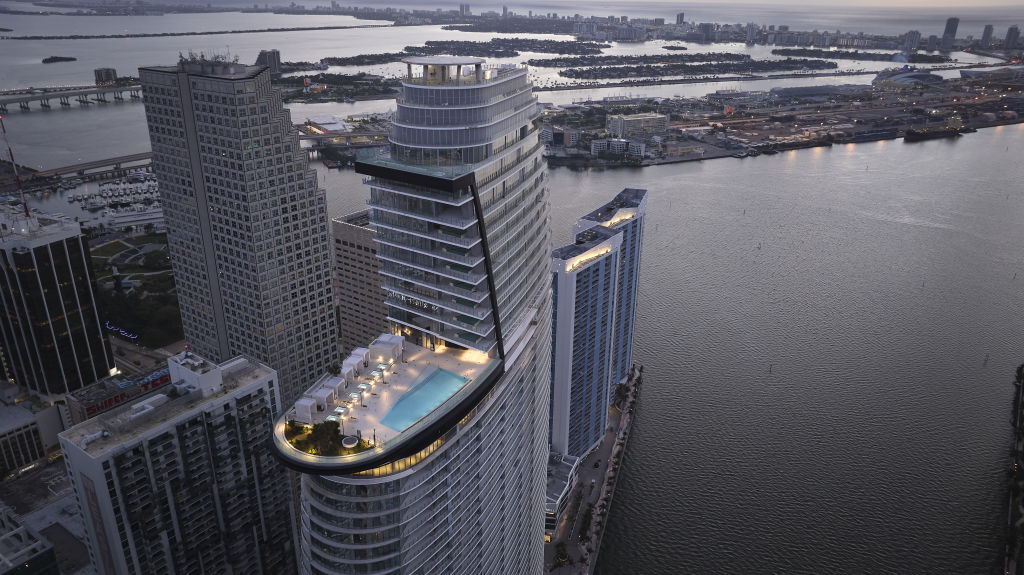
In brands-capital Miami alone, there are buildings named after Bentley, Porsche, Mercedes-Benz, Aston Martin, Armani and even Diesel.

The US remains the dominant region for branded residences, although there is increasing growth in the Middle East, Latin America and Asia – look out for the Porsche Design Tower in Bangkok due for delivery in 2028.
There’s plenty of scope for this in Australia too, believes McGrath’s super-prime specialist Adam Ross.
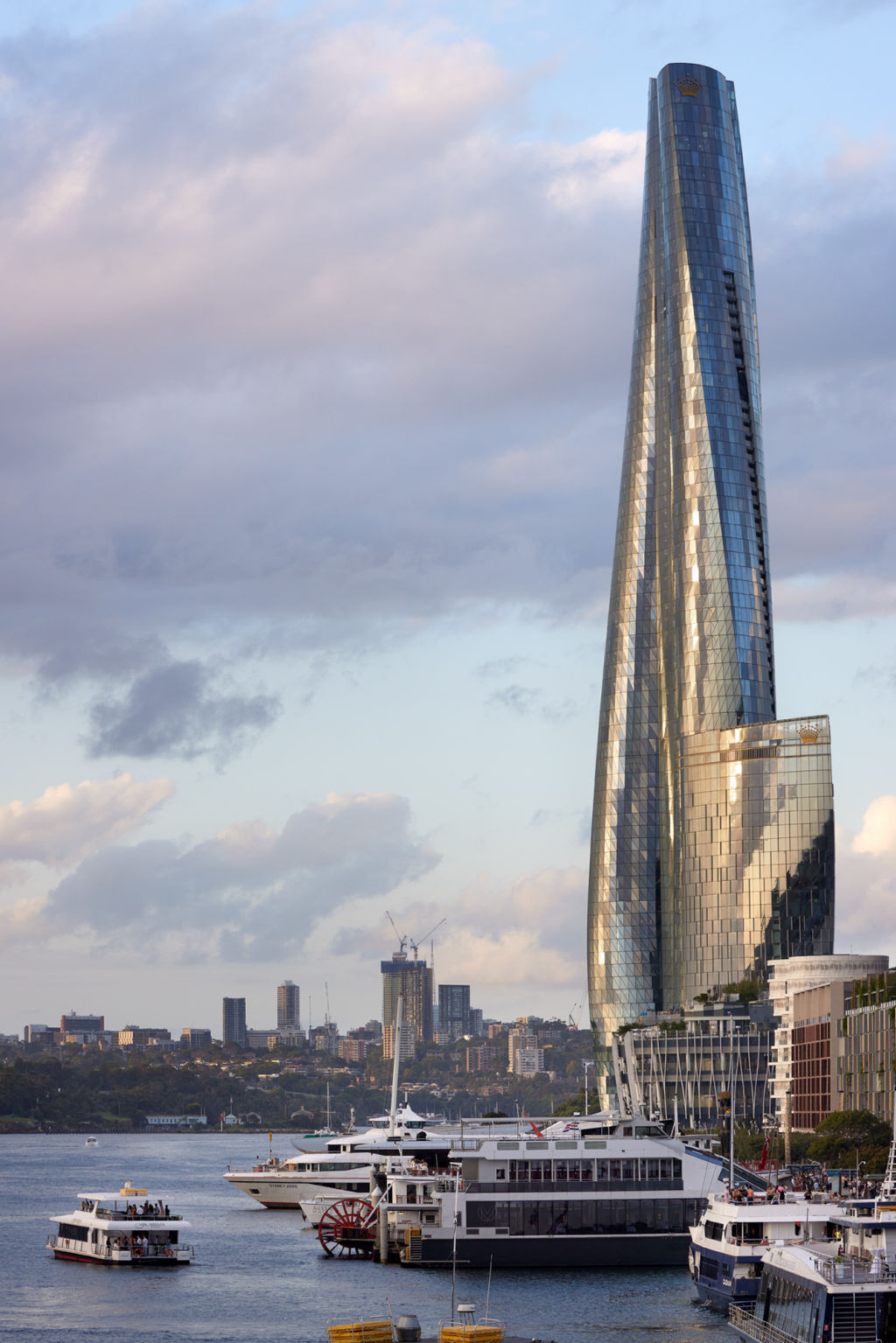
“Here, the branded residence at the forefront was Crown Residences at One Barangaroo in Sydney, which was the first of its kind in that they had all the amenities of a five-star hotel but their own entrance, concierge, parking area, amenities and pool,” Ross says. “The value-add was that they could be as involved with the hotel as they wanted, or not.
“When we were doing Crown, we had a neighbouring project on the market at the same time. It had a north-east-facing three-bedroom apartment for $10.5 million. Crown had one with a very similar space for $17.5 million. That was the premium that [high-net-worth individuals] were prepared to pay for the convenience, luxury, security, five-star service and peace of mind.”
Now, attaching themselves to a licensed premium brand is high on many developers’ wish lists, Ross believes. It can be a good way to distinguish themselves in the marketplace and harness the recognition, firepower, kudos and expense of an upmarket label.
“There are as many as a dozen offshore hotel brands that want to get into this space in Australia,” he says. “Domestically, we’re still in our infancy in the branded sector, but there’s enormous potential.”
Wellness could be the next big focus, with developments that could include far more than a gym and pool – hot and cold plunge baths, cryo-chambers – and a brand coveted for its focus on health and longevity, which is, after all, the absolute height of luxe longing.
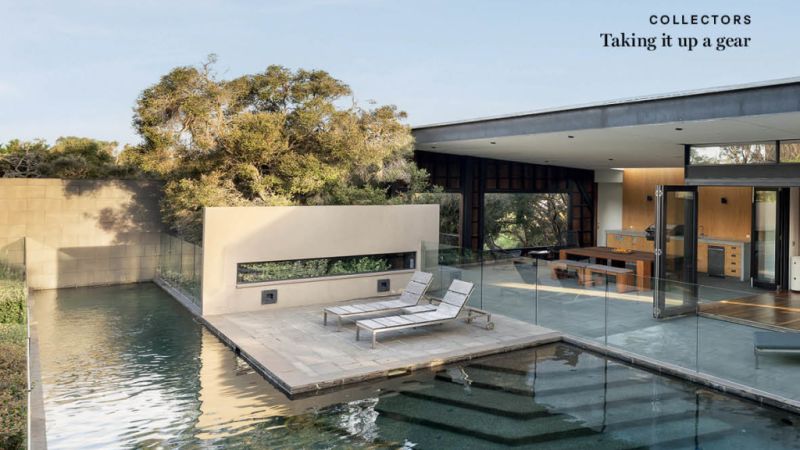
Developers are also trying to create their own brands that could become highly sought after, like Rosewood, with its high-end residences in Hong Kong, and US developer Discovery Land Company, with 35 communities, many based on golf, across the US, Mexico, the Bahamas, Portugal, the UAE, Scotland and Italy.
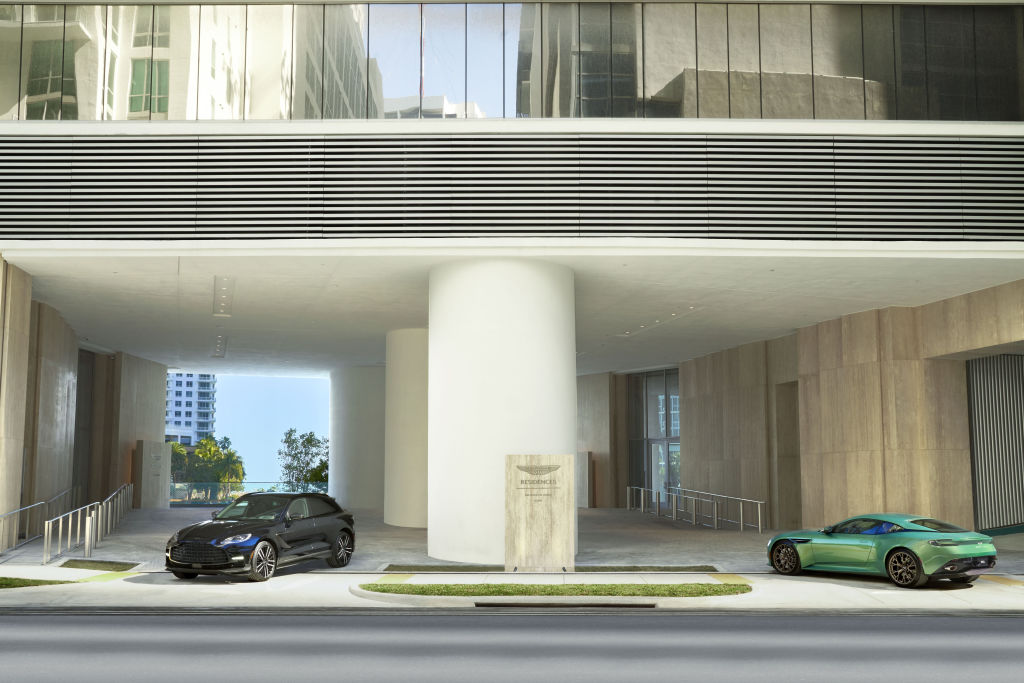
However, some still prefer to rely on the quality and size of their projects, rather than on a brand name.
Christine Li, head of research for Asia Pacific at Knight Frank, says some apartments “are already designed by world-renowned architects, with world-class finishes – there’s no need to pay a licensing fee to an international brand”.
The practice can also prove risky if a brand’s prestige teeters (Tesla, anyone?) or a development falters on quality, potentially undermining its brand value.
“When an arrangement works out well, it can add value to both sides,” Bailey says. “But it is a case of risk and reward.”
We recommend




We thought you might like

States
Capital Cities
Capital Cities - Rentals
Popular Areas
Allhomes
More
- © 2025, CoStar Group Inc.
